



The influencer and digital marketing space is rapidly changing, and marketing has shifted away from mass appeal, where you try to carry everyone along in hopes of funneling ideal prospects later, which results in overspending and a long process. Influencer and digital marketing have shifted toward niche precision, authenticity, and trust. This is exactly why businesses have realized it is wise to explore ways Micro-Influencing Drives Massive Sales through their small, precise niche-based platforms.
Businesses are no longer chasing only celebrities with millions of followers. Instead, they are discovering the powerful impact of smaller creators who have built tight-knit communities around shared interests. This shift has given rise to one of the most effective strategies in modern marketing, and understanding how micro-influencing drives massive sales is now essential for any brand, business, or entrepreneur looking to grow sustainably.
Micro-Influencing has become a dominant force because it aligns perfectly with how consumers make decisions today. People are more skeptical than ever of traditional advertising, yet they are more receptive to recommendations that feel genuine and relatable. When a creator with a small but engaged audience shares a product, it feels less like a sales pitch and more like a trusted suggestion. This subtle but powerful difference is what transforms small pages into revenue-generating machines.
What is the Micro-Influencing Market
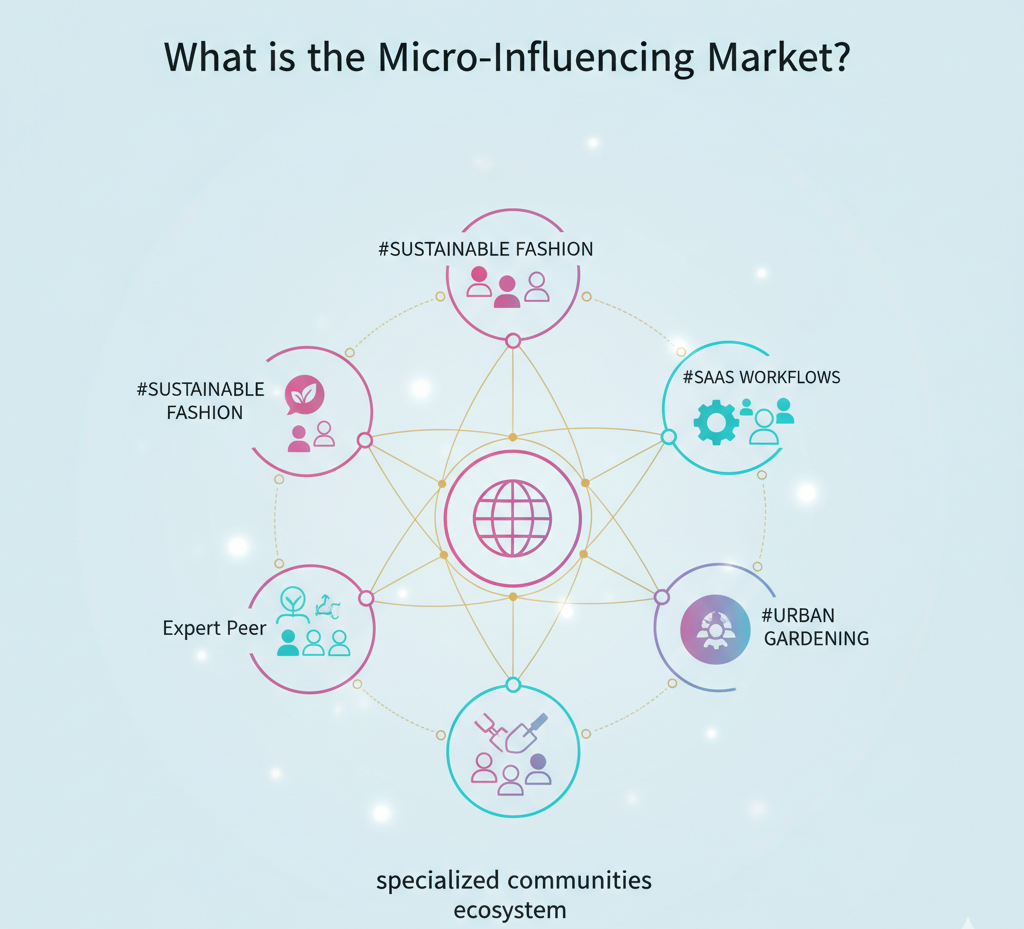
Influencer marketing is a digital marketing strategy in which businesses partner with celebrities or people with large audiences and social media influence to promote a service or product through their platforms. A good example is Cristiano Ronaldo, the football star and most-followed person on Instagram, who promotes Binance, the cryptocurrency exchange platform.
Micro-influencing refers to a strategy centred on creators with between 1,000 and 50,000 followers who command strong authority within a specific niche. These individuals are not celebrities, yet they hold a unique position as expert peers. Their audience does not follow them solely for entertainment; they also seek guidance, inspiration, and recommendations relevant to their daily lives. A good example is Iman Gadzhi promoting a digital course on how to get rich.
One of the most interesting dynamics in this space is the follower paradox. A creator with five thousand followers can often generate more revenue than someone with five hundred thousand followers. This happens because smaller audiences tend to be more engaged, more trusting, and more responsive. Instead of broadcasting to a wide, indifferent audience, micro-influencers communicate with a focused group that values their opinions.
This is where niche authority becomes critical. Micro-influencers are not generalists. They operate within clearly defined spaces such as fitness, skincare, tech, fashion, or local business communities. Their audience sees them as insiders who understand their needs, creating a strong foundation for influence and, ultimately, conversion.
Why Small Pages Outperform Large Accounts in Sales in the micro-influencer era
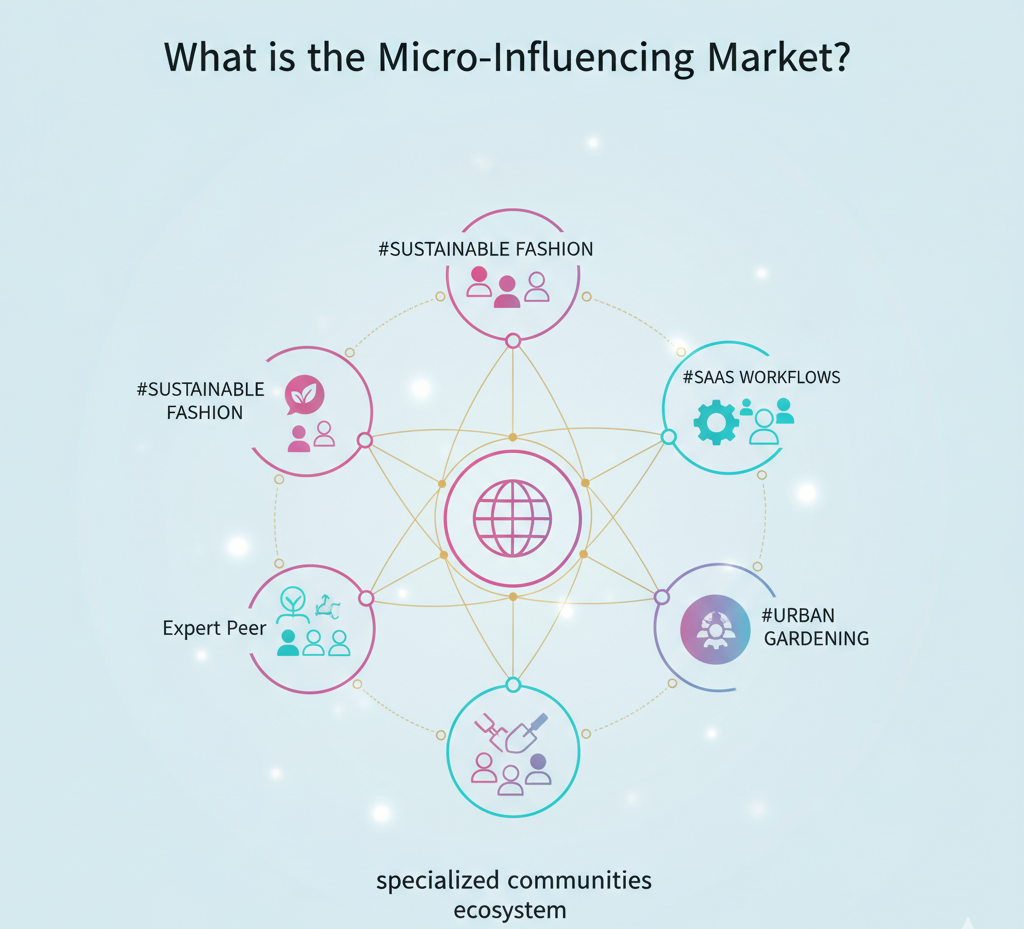
To truly understand the Ways Micro-Influencing Drives Massive Sales, it is important to explore why smaller pages consistently outperform larger ones when it comes to actual revenue generation.
#1. Trust Infrastructure: At the core of this phenomenon is what can be described as trust infrastructure. Micro-influencers build strong, lasting relationships with their audiences through consistent engagement, authenticity, and relatability. Their followers see them as real people rather than distant figures, fostering a deeper connection. In contrast, large accounts often struggle to maintain this closeness because their audience is too broad and diverse, making it difficult to build meaningful relationships at scale.
#2. High Engagement Rates: Engagement is a critical factor in micro-influencers’ effectiveness. They typically achieve significantly higher engagement rates compared to larger creators. This includes more likes, comments, shares, and most importantly, genuine interactions. These interactions go beyond surface-level metrics and reflect genuine conversations that build trust over time, making their audience more responsive to recommendations.
#3. The Friend Factor: Another key element is the friend factor. When people follow a micro-influencer, they often feel a personal connection, as if they know the influencer in real life. This familiarity makes any recommendation feel natural and sincere. Instead of perceiving a product mention as an advertisement, the audience sees it as advice from someone they trust, which significantly increases the likelihood of purchase.
#4. Cost Efficiency and Higher ROI: Cost efficiency is another major advantage of Micro-Influencing. Rather than spending a large portion of a budget on a single high-profile influencer, brands can work with multiple smaller creators. This approach enables broader reach across diverse audiences while reducing risk. At the same time, it often leads to a higher return on investment because each micro-influencer delivers targeted engagement and conversions within their niche.
10 Bold Ways Micro-Influencing Drives Massive Sales
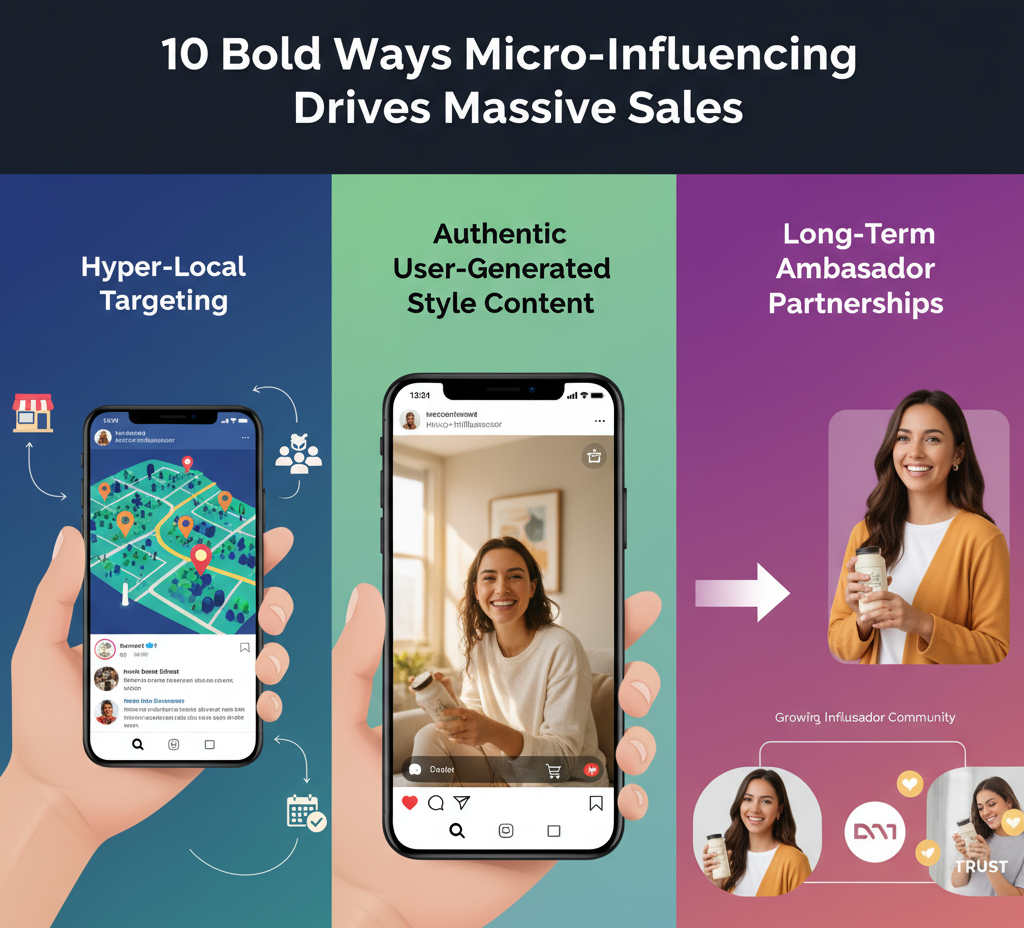
#1. Hyper-Local Targeting
Hyper-local targeting is one of the most practical and results-driven strategies in Micro-Influencing. When creators operate within a specific geographic area, they can directly influence real-world decisions. Their audience often shares the same environment, making recommendations feel immediately relevant. This can lead to tangible outcomes, including increased store visits, higher event attendance, and more bookings for local services. For businesses with physical locations, this precision creates a powerful advantage because results are not only fast but also easy to measure and track.
#2. Authentic User-Generated Style Content
Another highly effective approach is using content that feels raw, natural, and unfiltered. Instead of relying on polished, overproduced advertisements, micro-influencers create content that blends seamlessly into their everyday posts. This style mirrors what users already see in their feeds, making it feel less intrusive and more trustworthy. Because the content appears genuine, audiences are more likely to engage with it and take action, which significantly improves conversion rates.
#3. Long-Term Ambassador Partnerships
Long-term ambassador relationships represent a strategic shift from one-off promotions to ongoing collaborations. When an influencer consistently features a brand over an extended period, it builds familiarity and credibility. The audience begins to associate the product with the influencer’s daily life, which reinforces trust. Over time, this repeated exposure makes the recommendation feel more authentic. It increases the likelihood of purchase, as the product becomes part of a consistent narrative rather than a one-time mention.
#4. Vibe-Driven Product Placement
Vibe-driven product placement focuses on integrating products into a broader lifestyle story rather than presenting them as direct sales items. In this approach, the influencer subtly showcases how a product fits into their routine, environment, or personal style. This method resonates strongly with modern audiences who prefer storytelling and emotional connection over aggressive marketing. By aligning the product with a desirable lifestyle, it becomes more appealing and relatable, encouraging organic interest and engagement.
#5. Direct Social Storefront Integration
The rise of direct social storefronts has significantly transformed how purchases are made. Platforms now allow users to buy products directly from content without leaving the app, creating a seamless and frictionless experience. This convenience removes barriers that might otherwise interrupt the buying process. As a result, engagement can be converted into sales almost instantly, making this one of the most efficient Ways Micro-Influencing Drives Massive Sales.
#6. Interactive Live Selling Sessions
Interactive live sessions, such as question-and-answer formats, provide a dynamic way to connect with audiences in real time. These sessions allow influencers to address concerns, demonstrate products, and respond to feedback in real time. This level of interaction builds confidence among potential buyers by providing immediate answers to their questions. Compared to traditional advertising, this approach feels more personal and transparent, which increases trust and encourages quicker purchasing decisions.
#7. Exclusive Community-Based Discounts
Offering exclusive discounts tailored to a specific audience creates a strong sense of belonging and urgency. When followers receive a unique code from an influencer they trust, it feels like a personalized opportunity rather than a general promotion. This exclusivity strengthens the relationship between the influencer and their audience while also motivating quicker action. The emotional connection tied to these offers often leads to higher conversion rates.
#8. Collaborative Product Co-Creation
Collaborative product creation deepens engagement by involving influencers directly in the development process. When creators contribute ideas, designs, or branding elements, they become genuinely invested in the product’s success. Their audience, in turn, feels a stronger connection because the product reflects the influencer’s personality and input. This shared ownership creates a powerful sense of authenticity and can significantly boost both interest and sales.
#9. Search-Optimized Evergreen Video Content
Search-optimized video content extends the lifespan of promotional efforts beyond the initial posting period. By creating videos that are designed to rank in search results, influencers can continue to attract viewers and generate sales over time. This approach combines the long-term benefits of content marketing with the immediate impact of influencer promotion, making it a highly effective strategy for sustained growth.
#10. The Micro-Movement Strategy
The micro-movement strategy leverages the combined influence of multiple small creators to create the appearance of a widespread trend. By coordinating campaigns across a network of micro-influencers, brands can amplify visibility while maintaining authenticity. Each creator contributes their unique voice, but together they create a unified message that feels organic and powerful. This collective approach can quickly build momentum and position a product as a must-have within a specific niche.
How to Start Winning with Micro-Influencing Today
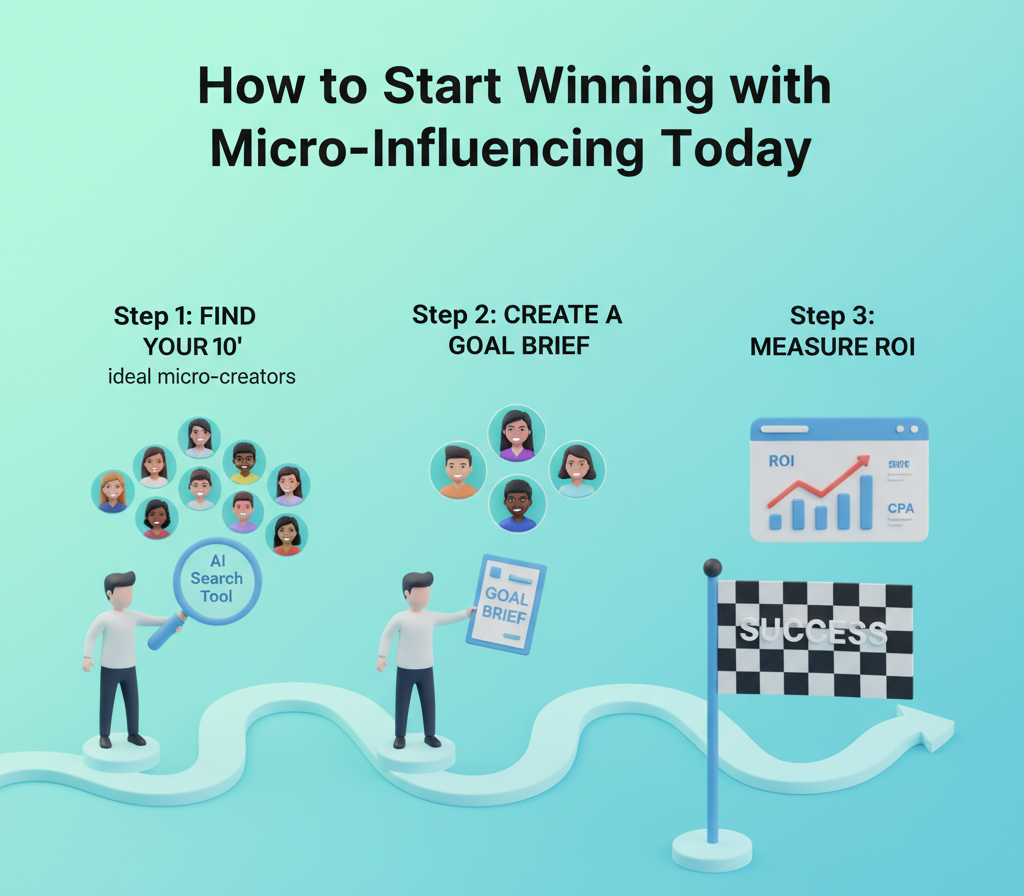
For brands and entrepreneurs looking to capitalize on the Ways Micro-Influencing Drives Massive Sales, the first step is to shift from control to collaboration. Instead of dictating every detail of a campaign, it is more effective to provide influencers with clear objectives and allow them to interpret the message in their own style.
Finding the right creators is crucial. This involves looking beyond follower counts and focusing on engagement, content quality, and audience alignment. AI-powered tools and influencer marketplaces can help identify creators who are genuinely connected to their audience.
Providing a brief rather than a script encourages authenticity. Influencers understand their audience better than anyone else, so giving them creative freedom allows them to deliver content that resonates more effectively.
Measuring success requires a focus on meaningful metrics such as customer acquisition cost and average order value. While likes and shares are important, they do not always translate into revenue. Tracking performance at a deeper level provides insights that can guide future campaigns.
The Long-Term Impact of Micro-Influencing
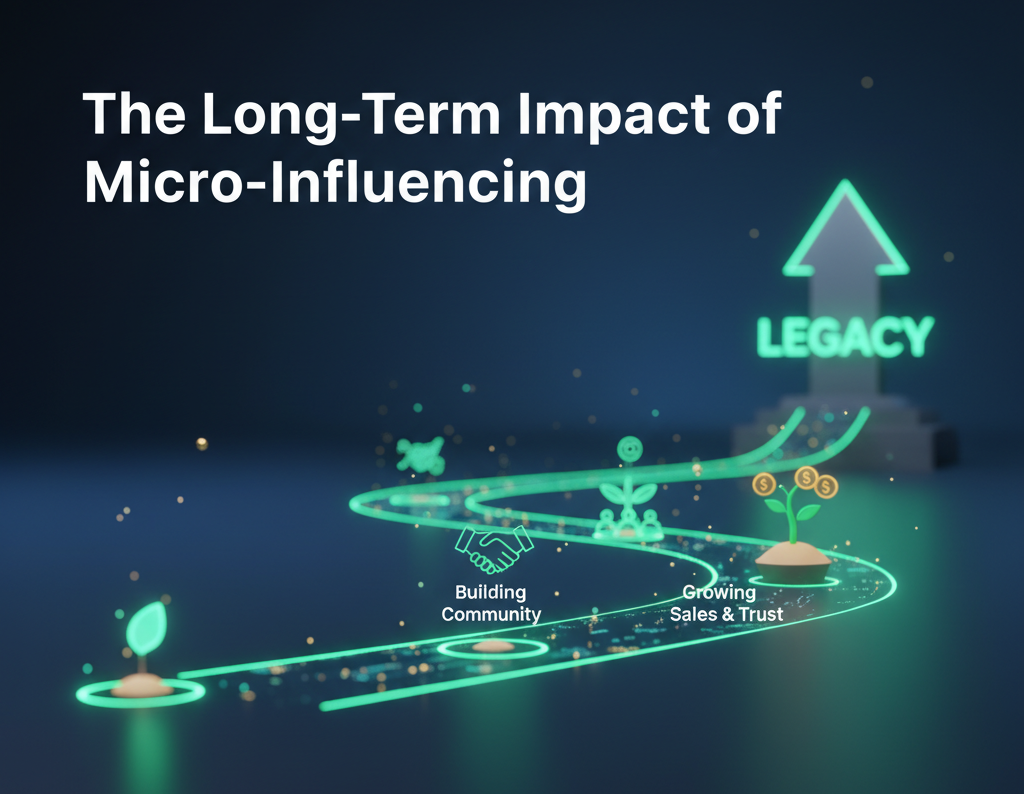
Micro-Influencing is not just a trend; it represents a fundamental shift in how marketing works. As consumers continue to prioritize authenticity and trust, the role of micro-influencers will only become more significant.
Brands that embrace this approach early gain a competitive advantage by building genuine relationships with their audience. Over time, these relationships translate into loyalty, repeat purchases, and organic growth.
The ability to monetize a Tiny Email List and the power of Micro-Influencing share a common principle: smaller, more engaged audiences often outperform larger, less connected ones. This insight underscores the importance of quality over quantity in modern marketing.
Conclusion: Ways Micro-Influencing Drives Massive Sales
Understanding how micro-influencing drives massive sales is essential for navigating the digital landscape in 2026. By focusing on authenticity, engagement, and strategic collaboration, brands can unlock the full potential of small but powerful communities.
Micro-Influencing offers a unique opportunity to connect with audiences more deeply, turning trust into tangible results. Whether you are a business owner, marketer, or content creator, adopting these strategies can help you build a sustainable and profitable presence in an increasingly competitive market.
As you move forward, remember that success in this space is not about reaching everyone. It is about reaching the right people, building meaningful connections, and delivering value that resonates. When done correctly, even the smallest page can generate big profits and drive massive sales.
