



We very much understand that sometimes there are always reasons for a solo trip because life can be either boring, hectic, or maybe you’re a digital nomad and you will need a getaway trip. So, for better planning and packing for a safe, exciting, and fulfilling trip, you will surely need some tools to ease the process. That is why we want to give you the best Online Tools to plan a Solo Trip.
ALSO READ: Best Travel Debit Cards With No Foreign Fees
Now, this is not the time to do those group travels; it’s just some alone time to relax and unwind. There are several tools online for planning a Solo Trip in 2026. so to cancel the noise out so that you can no longer be juggling paper notes, endless browser tabs, and last-minute panic at the airport.
Today, we will give you a head start as the smartest travelers who rely on carefully chosen travel tools to organize routes, manage money, stay safe, find accommodation, and even connect with people along the way. If you are traveling alone, the right tools are essential to gurantee to successfull trip. These tools give you confidence, clarity, and control, especially when there is no one else to double-check plans or solve problems for you.
This guide is for beginners and experienced travelers alike, and it focuses specifically on online tools to plan a Solo Trip in 2026. These are apps and websites that help you move smoothly from the dreaming stage to booking, navigating, budgeting, and fully enjoying your journey. Every tool listed here is practical, proven, and relevant for modern solo travelers, with special emphasis on platforms that appeared in multiple trusted solo travel guides and our personal experience.
Instead of overwhelming you with hundreds of options, we have decided to narrow things down to the top 20 online tools that actually matter. These tools work together to form a complete planning system, helping you travel smarter, safer, and more confidently on your Solo Trip.
Why the Right Tools Matter for a Solo Trip
When you travel alone, every decision rests on you. There is no shared responsibility, no backup planner, and no one else to step in if something goes wrong. This is exactly why Tools to Plan a Solo Trip are so important. The right apps and websites reduce uncertainty, prevent costly mistakes, and help you make informed decisions quickly.
In 2026, solo travelers expect more than just booking platforms. They want real-time navigation, offline access, budget control, language support, safety features, and flexible planning tools that adapt as plans change. The tools below were selected because they meet those needs consistently and reliably.
Top 20 Online Tools to Plan a Solo Trip in 2026
#1. Google Maps
Google Maps remains the foundation of modern solo travel planning. It goes far beyond simple directions. For solo travelers, it acts as a personal navigation system, local discovery engine, and safety aid.
Before you even arrive at a destination, Google Maps allows you to explore neighborhoods using Street View. This is particularly important for solo travelers choosing accommodation. You can assess lighting, walkability, nearby shops, and overall atmosphere before booking. During your trip, saved locations help you create a mental map of essential places such as your accommodation, public transport stations, grocery stores, hospitals, and embassies.
Offline maps are one of its most valuable features. In destinations with poor internet coverage or expensive roaming fees, being able to navigate without data provides peace of mind. For solo travelers, knowing exactly where you are and how to get back safely is non-negotiable.
#2. Google Translate
Language barriers are one of the most intimidating aspects of solo travel. Google Translate significantly reduces that fear by enabling communication in real time. Its text, voice, and camera translation features allow solo travelers to understand menus, street signs, transport schedules, and product labels instantly.
The camera translation feature is particularly useful when you are alone and under pressure, such as ordering food or navigating a train station. Offline language downloads ensure functionality even without internet access. For solo travelers, Google Translate replaces the need to rely on strangers for basic communication, increasing independence and confidence.
#3. Skyscanner
Skyscanner is a cornerstone tool for solo travelers who value flexibility. It allows you to search flights by month, compare airlines, and even explore destinations without setting a fixed location. This is ideal for spontaneous trips or long-term travel planning.
Solo travelers often prioritize affordability and timing over rigid itineraries. Skyscanner’s price alerts allow you to monitor routes and book when prices drop. This removes pressure from decision-making and supports a more relaxed planning process.
#4. Booking.com
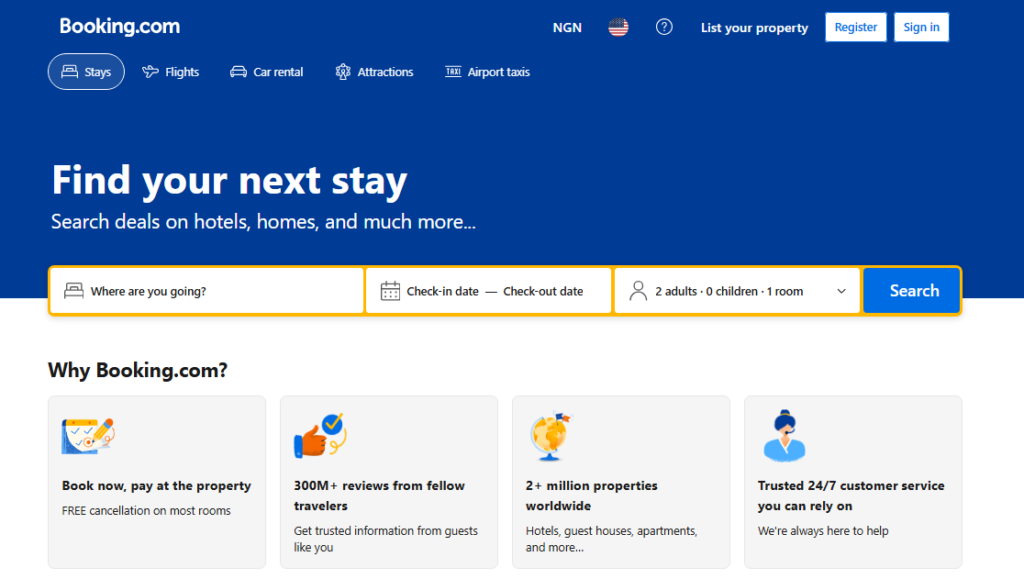
Accommodation is one of the most critical aspects of solo travel. Booking.com continues to be a reliable platform because of its vast inventory and flexible booking policies. It offers hotels, hostels, guesthouses, and apartments in nearly every destination.
For solo travelers, flexibility is key. Free cancellation options allow you to adjust plans without financial penalties. Reviews often include insights from other solo travelers, highlighting safety, cleanliness, and location. Filters for location, budget, and amenities make it easier to choose accommodations that feel secure and convenient.
#5. Airbnb
Airbnb provides an alternative accommodation experience that appeals to many solo travelers, especially those staying longer or working remotely. Entire apartments offer privacy, while shared spaces allow for limited social interaction on your own terms.
Airbnb’s detailed host profiles, verified listings, and review systems help solo travelers assess trustworthiness. Staying in residential neighborhoods often provides a more authentic experience and a sense of routine, which can be comforting when traveling alone.
#6. Hostelworld
Hostelworld is particularly valuable for solo travelers seeking social connections. Hostels naturally foster interaction, making it easier to meet people without forced networking.
The platform’s reviews focus heavily on atmosphere, security, and cleanliness. Many hostels organize group activities such as walking tours, pub crawls, and communal dinners. For solo travelers, this creates built-in opportunities to socialize while still maintaining independence.
#7. Rome2Rio
Rome2Rio simplifies complex travel logistics by showing all possible transport options between two locations. It compares flights, trains, buses, ferries, and driving routes in one place.
For solo travelers navigating unfamiliar transport systems, this clarity reduces stress and decision fatigue. It is especially useful for multi-city or multi-country trips where transportation choices can feel overwhelming.
#8. Maps.me
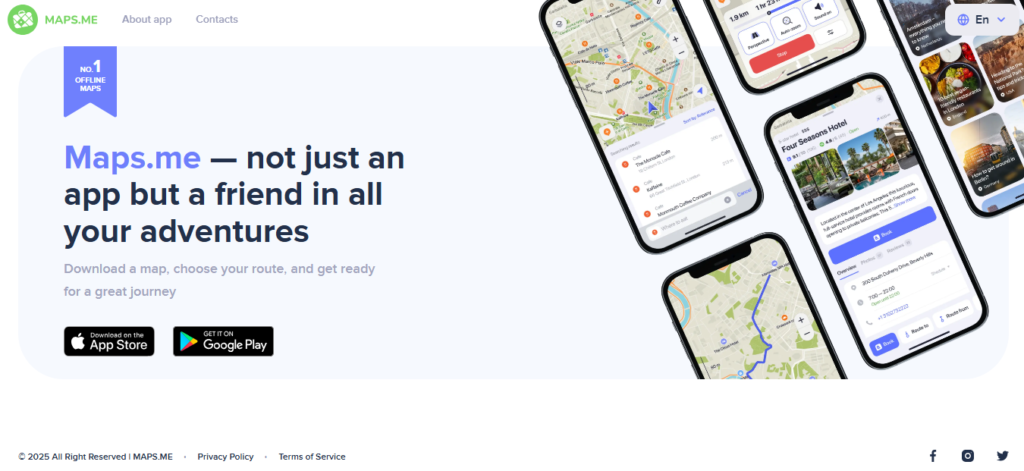
Maps.me is a powerful offline navigation tool that complements Google Maps. Once maps are downloaded, you can navigate without internet access.
Solo travelers benefit from Maps.me when exploring remote areas, hiking trails, or cities with unreliable mobile networks. It encourages exploration while maintaining a sense of direction and safety.
#9. Wise
Wise is one of the most practical financial tools for solo travelers. It allows you to hold multiple currencies, convert money at real exchange rates, and send funds internationally with low fees.
Managing money alone can be stressful, especially across borders. Wise reduces reliance on local banks, minimizes hidden fees, and provides transparency. Financial clarity helps solo travelers focus on experiences rather than constantly worrying about costs.
#10. Revolut
Revolut complements Wise by offering advanced budgeting tools, expense tracking, and instant transaction notifications. Many solo travelers use both for added flexibility.
For solo trips, real-time spending insights help you stay within budget and quickly identify suspicious transactions. This level of financial awareness reduces anxiety and supports smarter decision-making.
#11. XE Currency
XE Currency remains a trusted reference for checking exchange rates quickly. Even if you use digital banks, XE is useful for fast conversions and offline access.
For solo travelers, understanding currency value prevents overspending and helps with negotiations, shopping, and budgeting in unfamiliar economies.
#12. Uber and Regional Ride-Sharing Apps
Ride-sharing apps such as Uber, Bolt, Grab, and Didi play a crucial role in solo travel safety and convenience. They provide transparent pricing, GPS tracking, and digital payments.
For solo travelers, especially during late-night arrivals or in unfamiliar cities, ride-sharing apps offer a predictable and safer alternative to street taxis. Regional apps ensure coverage even where global platforms are unavailable.
#13. TripAdvisor
TripAdvisor remains one of the most comprehensive travel research platforms. It offers reviews, rankings, and forums covering attractions, tours, restaurants, and accommodations.
Solo travelers rely on TripAdvisor to assess safety, crowd levels, and value. Forums allow you to ask specific questions and learn from others’ experiences, which is especially valuable when making decisions alone.
#14. HappyCow
HappyCow is essential for solo travelers with dietary preferences, particularly vegetarians and vegans. It helps locate suitable restaurants worldwide, often with photos and user reviews.
Knowing where to eat safely reduces daily stress and saves time. This is especially important when language barriers make food choices uncertain.
#15. WhatsApp
WhatsApp is one of the most important communication tools for solo travelers. It allows instant contact with hosts, tour operators, and local businesses.
In many countries, WhatsApp is the primary communication platform. Staying connected with family or friends also provides emotional reassurance during solo journeys.
#16. Facebook Groups and Events
Facebook remains a powerful tool for solo travel planning. City-specific groups and travel communities provide real-time advice, safety updates, and local tips.
For solo travelers, these groups offer support, social opportunities, and information that guidebooks often miss. They are particularly useful for short-notice changes or local recommendations.
#17. Instagram
Instagram has evolved into a discovery tool for destinations, cafés, experiences, and hidden spots. Solo travelers use it to visualize places before arriving.
When used intentionally, Instagram helps identify authentic locations and avoid tourist traps. It also inspires itinerary ideas and creative exploration.
#18. Bumble

Bumble, which started in 2014, is about more than a dating platform. It’s about helping people find what matters, with care, intention, and heart. That means using technology and AI to deepen human connection, which offers a structured way for solo travelers to meet people. It is especially popular among solo female travelers and digital nomads.
For solo trips, this app provides social connection without compromising independence. You control when and how you engage with others.
#19. Insight Timer
Solo travel can be emotionally intense, particularly during long trips. Insight Timer provides meditation, mindfulness, and relaxation tools.
Supporting mental well-being improves resilience and overall travel satisfaction. Emotional balance is just as important as logistics when traveling alone.
#20. Plant Nanny
Plant Nanny encourages consistent hydration through gamification. While simple, hydration directly affects energy, focus, and mood.
For solo travelers managing long days and changing climates, small wellness habits make a noticeable difference.
For Tools to plan a Solo Trip, even wellness apps play an important role in maintaining balance during travel.
How These Online Tools to plan a solo trip Work Together
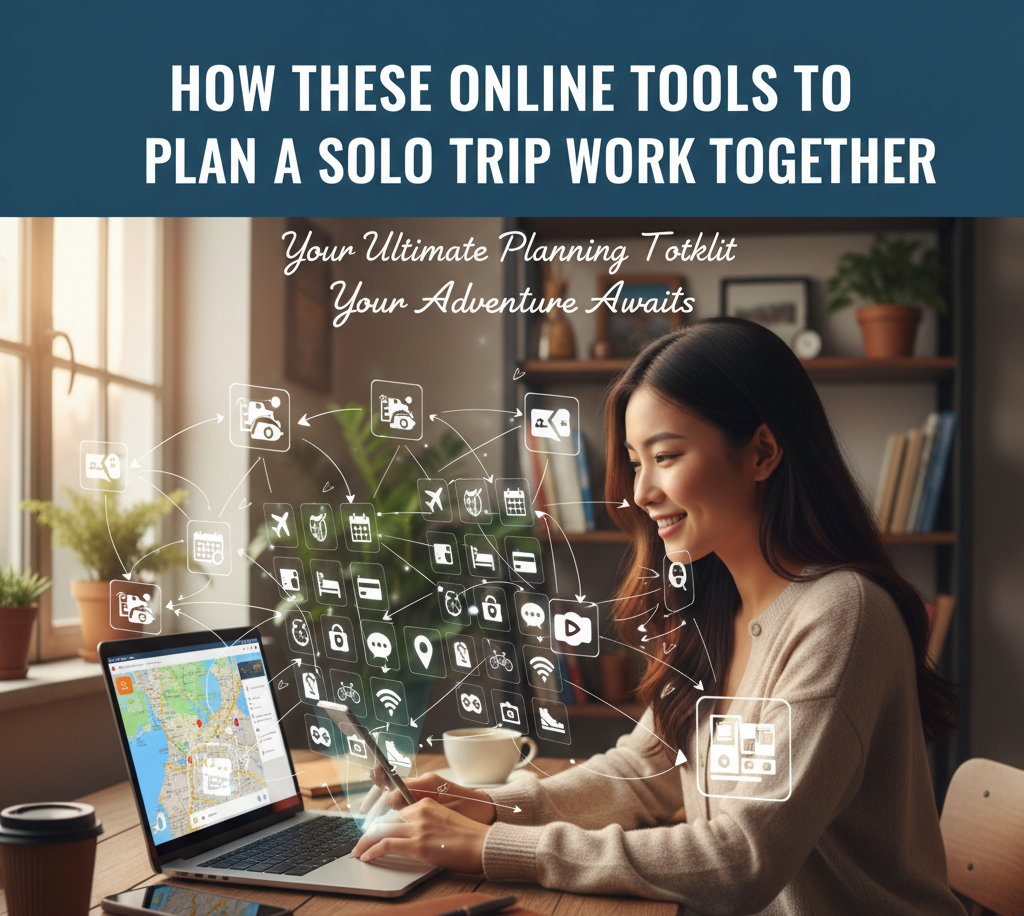
The true power of these Tools to plan a Solo Trip lies in how they complement each other. Flight tools help you get there, accommodation platforms give you a place to stay, navigation apps guide you around, and financial tools keep your budget under control. Communication and social apps ensure you never feel completely isolated, while wellness tools support your physical and mental health.
When combined thoughtfully, these tools form a complete solo travel system that adapts to your needs and travel style.
Conclusion: Best Online Tools to Plan a Solo Trip
A Solo Trip in 2026 is now easier with more accessible, flexible, and empowering tools than ever before, but only if you use the right tools. The online platforms outlined in this guide are not just popular; they are proven, trusted, and deeply practical for solo travelers at every stage of their journey.
ALSO READ: The Best Budget Travel Destinations: Explore the World Without Breaking the Bank
By using these Tools to plan a Solo Trip, you reduce stress, increase confidence, and assure yourself that you will have a seamless trip, experiencing the world or unwinding on your own terms. Whether this is your first solo adventure or you are a regular loner who has been traveling solo forever, the right tools can transform uncertainty into excitement and planning into pleasure.
If you found this post usefull conside bookmarking as we post informative and practical topics like this daily on our blog, and also share with friends and family who may need this guide for their next trip.
