



The word “podcasting” has become very popular in recent times, and people are attracted to podcasts, making it a viable niche to venture into. In 2026, launching a podcast is no longer a technically overwhelming process reserved for audio professionals.
Instead, it has become an accessible and highly strategic opportunity for creators, entrepreneurs, and businesses who want to build an audience, share ideas, and generate income. The biggest driver behind this transformation is artificial intelligence, which now plays a central role in simplifying and enhancing every stage of podcast creation.
So, if you are looking to start a podcast today, understanding how to use the right AI tools is one of the most important things you can do. These tools do not just make the process easier; they make it smarter, faster, and more scalable. This guide will walk you through the best AI tools to start a podcast in 2026, while clearly explaining key concepts, workflows, and practical applications so you can move forward with confidence.
AI tools in podcasting
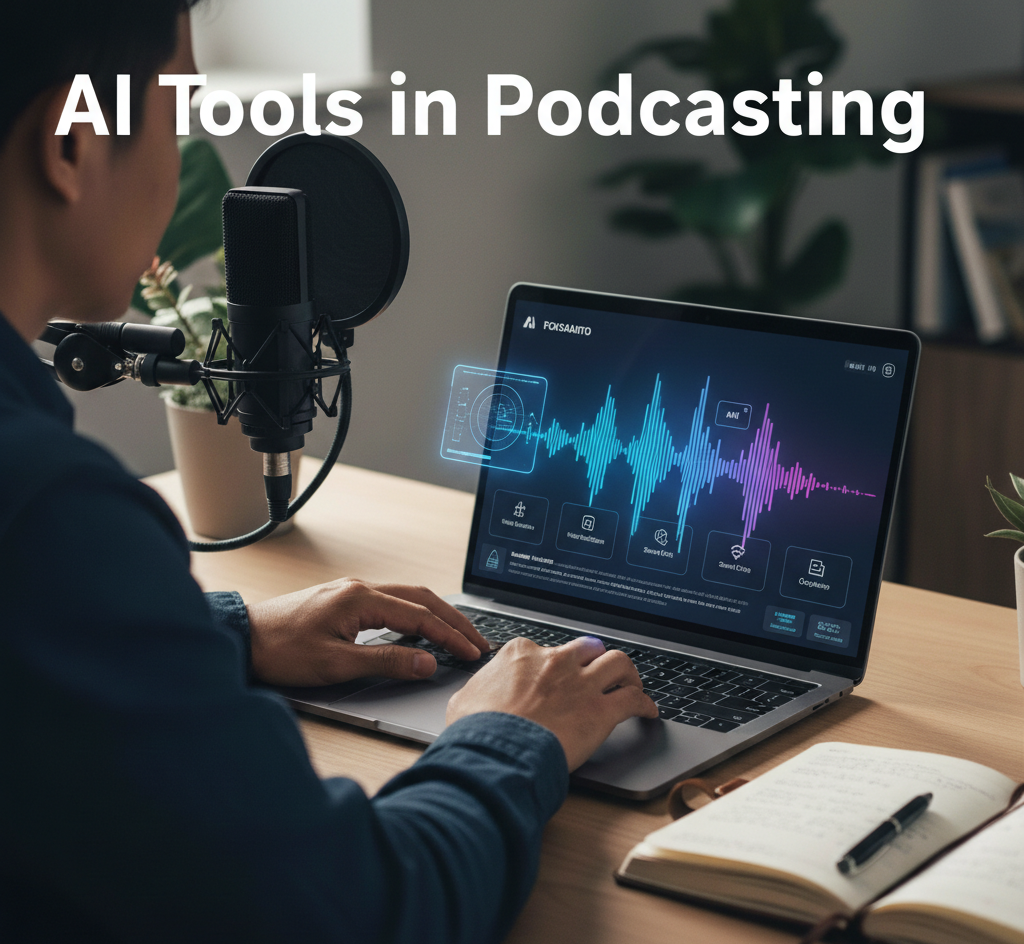
Before diving into specific tools and processes, it is important to understand what AI tools actually mean in the context of podcasting. Artificial intelligence tools are software systems designed to perform tasks that would normally require human effort. In podcasting, these tasks include writing scripts, editing audio, removing noise, generating content ideas, analyzing audience behavior, and even automating marketing.
Instead of manually handling each step, AI tools assist or fully automate repetitive and technical processes. This allows you to focus more on your message, creativity, and audience engagement rather than getting stuck in complicated workflows.
Why AI tools are essential to start a podcast in 2026
The podcasting space has become more competitive, which means quality and consistency matter more than ever. AI tools help bridge the gap between beginners and professionals by providing capabilities that were once expensive or difficult to access.
One major advantage is speed. Tasks that used to take hours, such as editing audio or writing show notes, can now be completed in minutes. Another advantage is accessibility. You no longer need advanced technical skills to produce high-quality content. AI tools are designed to be user-friendly, making them ideal for beginners.
There is also the benefit of scalability. As your podcast grows, AI tools allow you to produce more content without significantly increasing your workload. This is crucial if you plan to turn your podcast into a long-term brand or business.
Best type of AI Tools to Start a Podcast
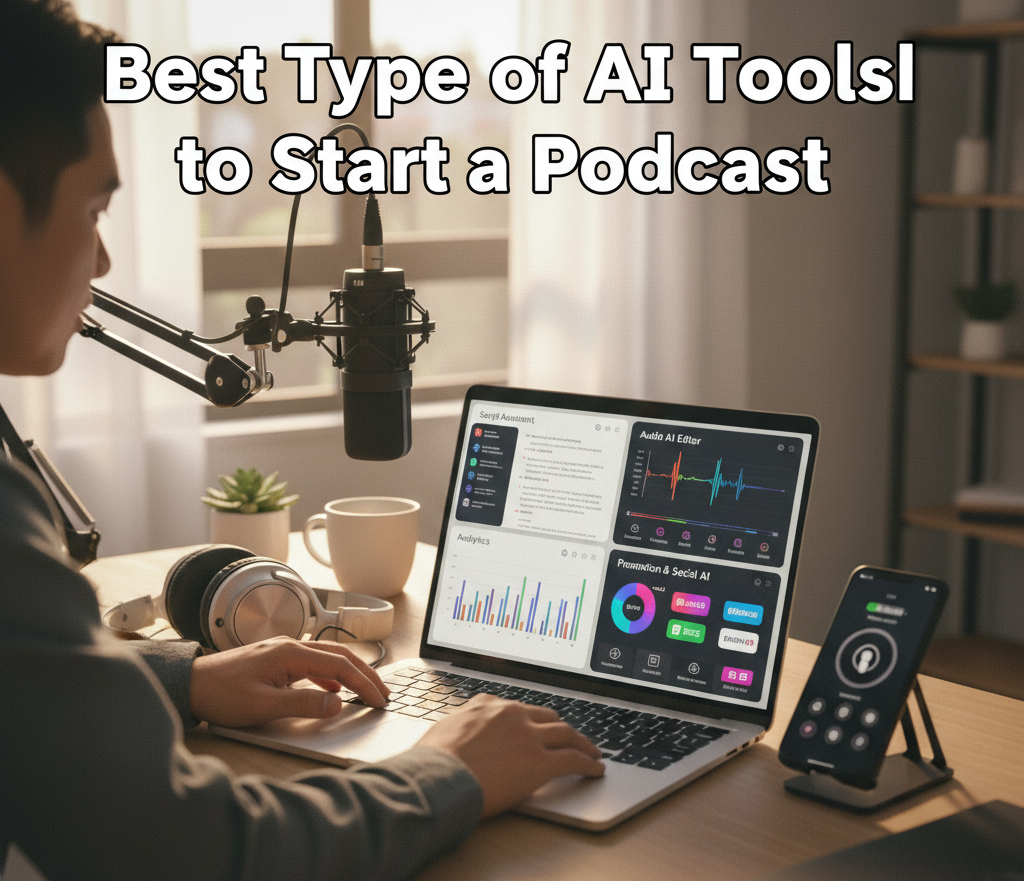
#1. idea generation and podcast planning
Every successful podcast starts with a clear idea and direction. This stage involves choosing a niche, defining your audience, and planning your content.
A niche refers to a specific topic or area of focus for your podcast. Instead of creating general content, you narrow your focus to attract a targeted audience. For example, instead of talking about business broadly, you might focus on digital marketing for small businesses.
The target audience refers to the group of people you want your podcast to reach. These are the listeners who will benefit from your content and are most likely to engage with it. Content planning involves deciding what topics you will cover and how your episodes will be structured over time.
AI writing and research tools assist you in brainstorming ideas based on trending topics and audience interests. They can generate multiple podcast episode ideas, suggest angles you may not have considered, and even help you identify gaps in the market.
You can also use AI to analyze search trends and understand what people are actively looking for, which helps you create content that is more likely to gain attention.
#2. scripting and content structuring
Once you have your ideas, the next step is organizing them into a clear and engaging format. A script is a written version of what you plan to say during your podcast. It can be detailed or simply a set of talking points.
Content structure refers to how your podcast is organized. This includes your introduction, main discussion, transitions, and conclusion.
AI tools can generate scripts that sound natural and conversational. They help you organize your thoughts into a logical flow, ensuring that your message is clear and easy to follow.
You can also use AI to refine your tone, making your content more engaging and suitable for your audience. This is especially helpful if you are not confident in your writing or speaking skills.
#3. Recording your podcast
Recording is where your ideas come to life. In the past, this required expensive equipment and soundproof environments, but AI has simplified this process significantly. Audio quality refers to how clear and professional your recording sounds.
Noise reduction is the process of removing background sounds such as fan noise, traffic, or echoes.
AI-powered recording tools enhance your audio in real time. They automatically adjust volume levels, reduce background noise, and improve clarity.
This means you can record from a simple home setup and still achieve professional results. Some tools even adapt to your voice, ensuring consistent sound quality throughout your recording.
#4. editing and post-production of podcast with AI tools
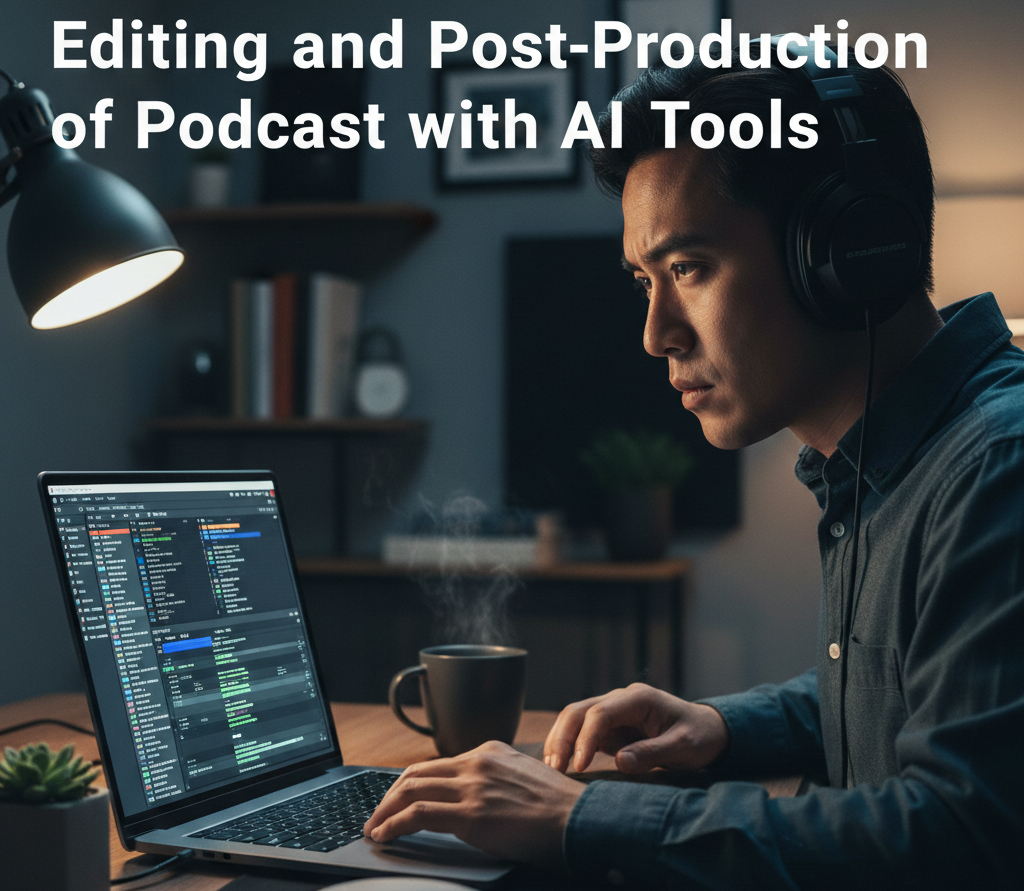
Editing is often considered the most time-consuming part of podcasting, but AI has transformed it into a much simpler process.
Post-production refers to everything that happens after recording, including editing, sound enhancement, and finalizing your episode. Filler words are unnecessary words like “um,” “uh,” or repeated phrases that can make your podcast sound less polished.
AI editing tools can automatically remove filler words, cut out long pauses, and clean up your audio. Some platforms allow text-based editing, where your audio is converted into text, and you can edit it like a document.
This approach is especially beginner-friendly because it removes the need to work with complex audio timelines. AI tools can also balance audio levels, ensuring that your podcast sounds consistent from start to finish.
#5. transcription and content repurposing
One of the smartest ways to grow your podcast is by turning your episodes into multiple forms of content. Transcription is the process of converting spoken audio into written text.
Content repurposing means using the same content in different formats, such as turning a podcast into a blog post or social media clips.
AI transcription tools can quickly convert your episodes into text, which you can then use to create blog posts, captions, or summaries.
This not only saves time but also improves your search engine visibility, as written content is easier for search engines to index.
You can also use AI to generate highlights or short clips for social media, helping you attract new listeners.
#6. podcast hosting and distribution
Once your podcast is ready, you need to publish it and make it available to listeners. Podcast hosting refers to storing your audio files online so they can be accessed by listeners. Distribution involves sharing your podcast across platforms such as streaming services.
AI-powered hosting platforms automate the distribution process, ensuring your episodes are published across multiple platforms simultaneously. They can also optimize your titles, descriptions, and tags to improve discoverability.
#7. marketing and audience growth
Creating a podcast is only part of the process. You also need to promote it effectively. Marketing strategy is a plan for how you will attract and retain listeners. Audience engagement refers to how listeners interact with your content through comments, shares, and feedback.
AI marketing tools analyze audience behavior and suggest strategies to improve engagement. They can generate social media posts, email campaigns, and promotional content. These tools also help you identify the best times to post and the types of content that perform well.
Email marketing tools allow you to build a direct relationship with your audience, which is important for long-term growth.
#8. monetization strategies
As your podcast grows, you may want to generate income from it. Monetization is the process of earning money from your podcast. Revenue streams are the different ways you can make money, such as sponsorships or product sales.
AI tools can analyze your audience and suggest monetization opportunities that align with their interests. They can also help you create premium content, identify potential sponsors, and optimize pricing strategies.
#9. Podcast automation and workflow optimization with AI
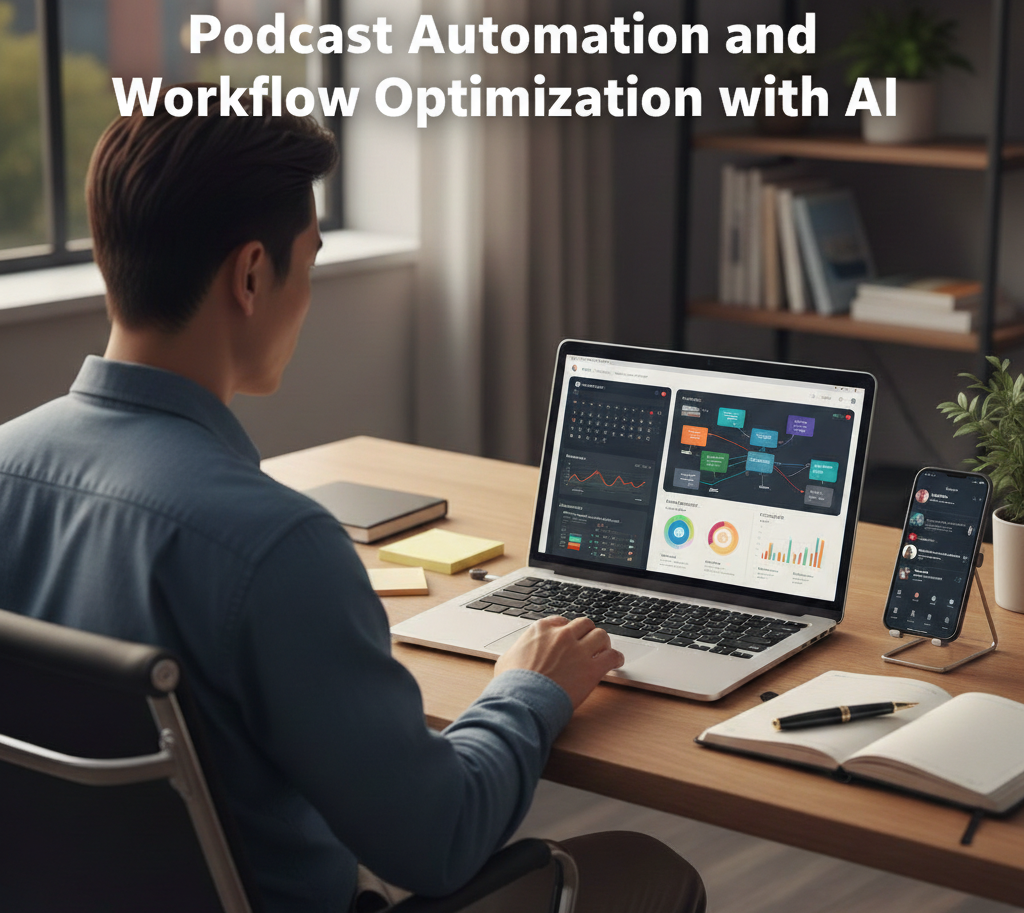
Efficiency becomes increasingly important as your podcast grows. Automation involves using technology to perform tasks without manual effort. Workflow refers to the sequence of steps involved in creating and managing your podcast.
Automation tools handle repetitive tasks such as scheduling posts, sending emails, and managing customer interactions. This allows you to focus on content creation and strategy while maintaining consistency.
#10. consistency and long-term growth
One of the most important factors in podcast success is consistency. Regular publishing builds trust and keeps your audience engaged.
AI tools make it easier to maintain a consistent schedule by reducing the time required for each episode. They also provide insights into what is working, allowing you to improve over time.
Conclusion: Best AI tools to start a podcast
Starting a podcast in 2026 is both an exciting and strategic opportunity. The availability of advanced AI tools has made it easier than ever to produce high-quality content, even if you are a complete beginner.
By understanding and using the best AI tools to start a podcast, you can streamline your workflow, improve your content quality, and grow your audience more effectively. From idea generation and scripting to editing, marketing, and monetization, AI supports every stage of the process.
At the same time, it is important to remember that tools are only as effective as the person using them. Your creativity, consistency, and ability to connect with your audience remain the most valuable elements of your podcast.
ALSO READ: Top 10 Best Personal Finance Blogs to Follow, 15 Best Passive Income Ideas to Make Money Online
If you approach this journey with the right mindset and leverage the power of AI wisely, you will not only start a podcast successfully but also build something that grows and evolves.
