



Side Hustles Using ChatGPT have moved from experimental curiosity to serious income streams in 2026, and if you are paying attention to the direction of work and technology, you can feel that something fundamental has shifted. We are no longer in a phase where artificial intelligence is simply answering trivia questions or helping students draft essays. Instead, we are operating in an era where a single individual equipped with the right prompting skills and strategic thinking can deliver output that once required a small agency. This transformation has opened the door to highly profitable ChatGPT side hustles that are accessible even to beginners who are willing to learn.
ALSO READ: 8 Inspiring Solo Entrepreneurship Ideas Powered by AI
The nature of employment has changed dramatically. Traditional nine-to-five roles are increasingly supplemented by project-based contracts, digital services, and remote consulting. Businesses are leaner and more efficiency-focused than ever, and they are actively searching for ways to automate, delegate, and streamline operations. At the same time, individuals are looking for additional income streams that are flexible, scalable, and resilient in an uncertain economy. The intersection of these two trends is precisely where Side Hustles Using ChatGPT thrive.
What makes 2026 different from earlier years is the maturity of AI tools. Multimodal capabilities, advanced reasoning, and integration with automation platforms have turned ChatGPT into something far more powerful than a text generator. It is now a research assistant, brainstorming partner, workflow designer, curriculum builder, and scripting engine all in one. However, the real opportunity does not lie in the tool itself. It lies in your ability to identify high-value problems and use ChatGPT strategically to solve them.
The Rise of Entrepreneurship and Artificial Intelligence

If you zoom out and look at the bigger picture, we are witnessing the rise of the augmented entrepreneur. In the past, launching a business required hiring writers, designers, marketers, and administrators. Today, one person can coordinate much of that output with the support of AI. This does not eliminate the need for human judgment. Instead, it amplifies it. The most successful individuals running ChatGPT side hustles are not those who copy and paste whatever the AI produces. They are those who direct, refine, and strategically apply its output.
The shift toward autonomous agents and advanced automation means that productivity has multiplied. A side hustler who understands contextual prompting can draft a 3,000-word whitepaper in a fraction of the time it once took, build an educational curriculum in days instead of months, and design automated email workflows that respond intelligently to customer inquiries. In practical terms, this means you can serve more clients, charge higher rates, and scale without immediately hiring a team.
#1. Specialized AI Content Strategy and Ghostwriting
The first and most accessible of the Side Hustles Using ChatGPT in 2026 is specialized content strategy and ghostwriting. It is important to clarify that generic blog writing has become crowded. Businesses are no longer impressed by surface-level articles filled with obvious advice. What they need are authoritative, research-driven, personality-aligned pieces that position them as thought leaders in their industries.
This is where you come in. Instead of presenting yourself as a simple content writer, you position yourself as a strategic partner. You use ChatGPT to conduct deep research, outline structured arguments, and generate initial drafts. Then you apply your understanding of tone, brand voice, and audience psychology to refine the content until it feels authentic and persuasive.
For example, imagine working with a fintech founder who wants to publish LinkedIn articles about financial innovation. You can feed ChatGPT detailed context about the founder’s experience, target audience, and unique insights. The AI helps you structure the piece, but you ensure that the final output reflects the founder’s personality and expertise. This hybrid approach is what differentiates professional ChatGPT side hustles from low-quality AI content farms.
Clients are willing to pay premium rates for content that builds authority and drives leads. If you master research prompts, storytelling frameworks, and persuasive writing principles, this side hustle can evolve into a high-income consulting service rather than a low-paying gig.
#2. Personalized Educational Content and Course Creation
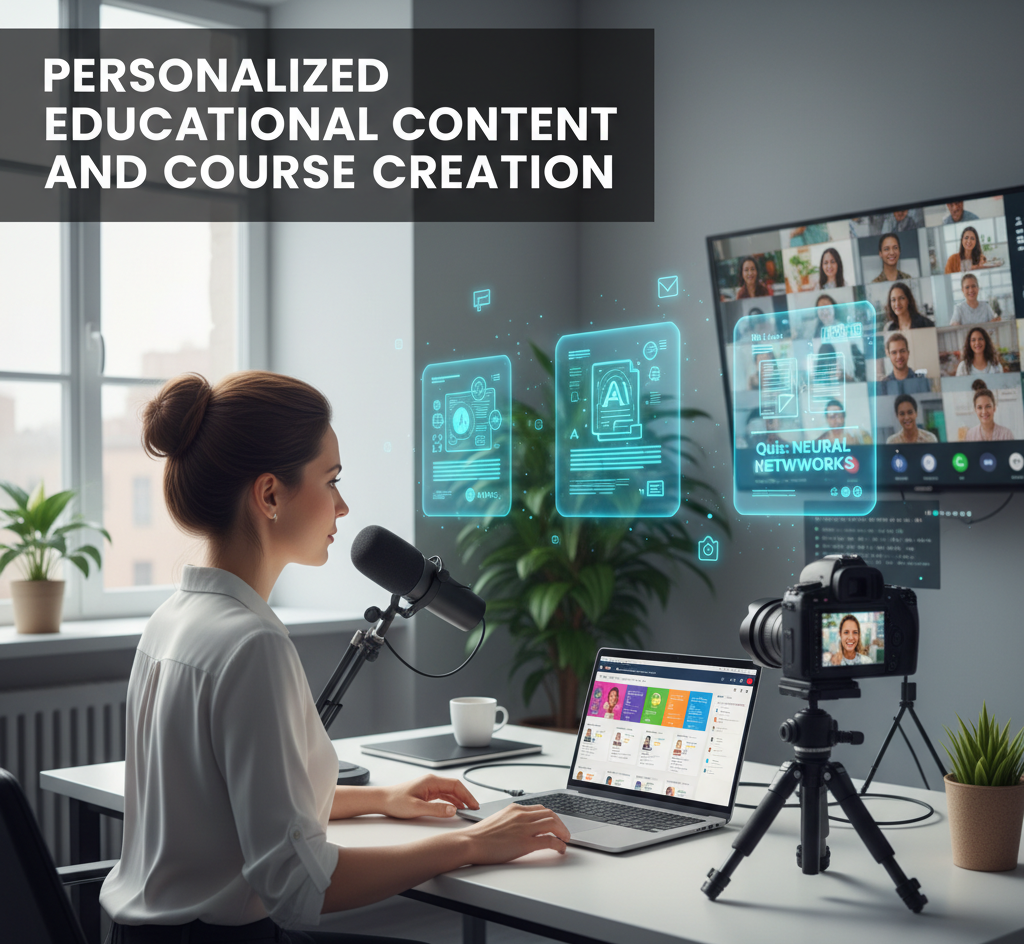
Another powerful opportunity in 2026 is helping experts transform their knowledge into structured educational products. The online education market continues to expand, but many professionals lack the time and organizational skills to convert their experience into coherent courses.
With ChatGPT as your assistant, you can bridge that gap. Suppose a fitness coach wants to create a comprehensive online program. You can use the AI to outline modules, draft lesson scripts, generate quizzes, and create supplementary workbooks. By feeding it transcripts, blog posts, or raw notes from the expert, you can quickly shape that information into a marketable format.
The real value you provide is not simply generating text. It is structuring information in a way that makes sense for learners. You think about progression, clarity, and engagement. You anticipate common questions and address them proactively.
This is one of the most scalable Side Hustles Using ChatGPT because digital courses and educational products can be sold repeatedly without additional labor. You can charge clients for the initial setup, and in some cases negotiate revenue-sharing agreements. Over time, your reputation as someone who turns expertise into income-generating products can become a strong differentiator.
#3. AI Automation and Workflow Consulting for Small Businesses
Among all ChatGPT side hustles, automation consulting stands out as one of the highest-paying. Small and medium-sized businesses often struggle with repetitive administrative tasks. They respond to similar emails every day, manually summarize meetings, and spend hours organizing information that could be automated.
If you understand both ChatGPT and workflow tools, you can design systems that dramatically reduce this burden. For example, you can create templates that automatically draft client responses based on inquiry types. You can build processes where meeting transcripts are summarized into action plans within minutes. You can design customer support scripts that ensure consistent and professional communication.
The key here is positioning yourself as a problem solver. You are not selling access to a tool. You are selling time savings, efficiency, and clarity. When you can demonstrate measurable improvements, businesses see your service as an investment rather than an expense.
To get started, focus on one niche such as real estate agencies or local clinics. Learn their common workflows and pain points. Then build simple automation examples you can demonstrate. Once clients see what is possible, they often request additional services, turning a small side hustle into a long-term consulting relationship.
#4. Prompt Engineering and Custom GPT Development
As AI platforms have become more customizable, there is a growing demand for tailored solutions. Companies want tools configured specifically for their internal processes. This is where prompt engineering and custom GPT development enter the picture.
Instead of offering general assistance, you create specialized systems trained on a company’s documents, tone guidelines, and procedural rules. For example, a legal firm may want a GPT that drafts contracts following strict formatting standards. An architecture firm may need one that assists with project documentation and client proposals.
This side hustle requires a deeper understanding of how context and instruction influence output. You need to test prompts extensively, refine instructions, and anticipate edge cases. However, the barrier to entry is still lower than traditional software development because you are not coding from scratch. You are configuring and optimizing an existing system.
Companies often prefer paying a one-time setup fee or an ongoing subscription for a custom solution that increases productivity. As more industries adopt AI, the demand for these specialized ChatGPT side hustles is likely to expand.
#5. Synthetic Media and Faceless Video Channel Management
The content economy continues to grow, and in 2026, managing faceless video channels has become far more efficient. By combining ChatGPT with AI video and voice tools, you can produce educational or storytelling content without appearing on camera.
ChatGPT can generate script outlines, detailed narrations, engaging hooks, and optimized descriptions. You then pair these scripts with AI-generated visuals or stock footage. The result is a professional-looking video channel that can generate revenue through ads, sponsorships, or affiliate marketing.
The advantage of this model is scalability. Once you develop a streamlined workflow, you can manage multiple niche channels simultaneously. For example, one channel might focus on productivity tips, while another covers emerging tech trends. Because the value lies in the information, not your personal presence, this model can be relatively low-pressure for beginners.
However, success requires consistency and niche clarity. Instead of chasing viral trends, focus on specific audiences with clear needs. Over time, as your content library grows, so does the potential for passive income.
How to start a Side Hustle Using ChatGPT

The biggest mistake beginners make with Side Hustles Using ChatGPT is treating the tool casually. To build a profitable operation, you must move beyond simple prompts and learn how to provide rich context. The quality of AI output depends heavily on the clarity of your instructions.
Start by selecting one niche aligned with your background or interests. If you have experience in marketing, focus on content strategy. If you enjoy systems and logic, explore automation consulting. Specialization increases credibility and reduces competition.
Next, build a small portfolio. Create sample projects that demonstrate your capabilities. These do not need to be paid assignments initially. They are proof of concept. When approaching potential clients, show them concrete examples of what you can deliver.
As you gain confidence, refine your pricing. Avoid undercharging simply because you are using AI. Clients are paying for results, not for the number of hours you type manually. If your solution saves them significant time or increases revenue, price accordingly.
Choosing the Right Side Hustle for Your Goals
Not every ChatGPT side hustle fits every personality. If you enjoy writing and shaping narratives, specialized ghostwriting may feel natural. If you prefer logical systems and measurable outcomes, automation consulting could be more fulfilling. If you seek semi-passive income, digital products or faceless channels may align better with your lifestyle.
Consider your long-term vision as well. Some side hustles can evolve into full-time businesses. Others remain supplementary income streams. Reflect on how much time you can realistically dedicate and how quickly you want to scale.
Conclusion: Side Hustles Using ChatGPT
The future of Side Hustles Using ChatGPT is not about replacing humans. It is about amplifying human capability. The individuals who thrive in 2026 are those who combine strategic thinking, domain knowledge, and AI fluency.
ChatGPT side hustles represent more than temporary income hacks. They are training grounds for a future where AI collaboration becomes standard in nearly every profession. By learning to direct, refine, and apply AI output today, you are building skills that will remain valuable as tools continue to evolve.
If you are waiting for the perfect moment to start, understand that the advantage belongs to early adopters who experiment, iterate, and learn publicly. Choose one path, commit to mastering it, and treat the tool as a partner rather than a shortcut. In doing so, you will not only generate income but also position yourself at the forefront of the new entrepreneurial era.
