



As we make New Year’s resolutions, conversations about mental clarity, emotional balance, and productivity have moved beyond motivation hacks and supplements. More people are realizing that how they feel mentally is deeply connected to what is happening inside their gut. Brain fog, anxiety, low mood, irritability, and even lack of focus are no longer seen as purely psychological issues. They are increasingly understood as biological signals linked to digestion, inflammation, and the balance of microbes living in the gut.
Here are some of our popular posts: Top 10 best website builders, Best super foods for a healthy lifestyle, the unlimited list of free productivity apps, Best freelance site to find remote jobs, top 10 productivity hacks for entrepreneurs , 10 best side hustles to make extra money online, best online courses for learning digital skills, top 10 best free coding website
This is why the topic of Gut Health and Mood is more relevant now than ever. With rising stress levels, processed food consumption, environmental toxins, and lifestyle pressure, many people are unknowingly sabotaging their mental well-being through daily food choices. At the same time, research and real-world experience are proving that improving gut health can lead to clearer thinking, better emotional stability, and enhanced resilience.
This article examines the impact of gut health on mood, the influence of food choices on mental clarity, and the eating patterns that make the most significant difference in 2026. It is written in a practical, conversational way to help you understand not just what to eat, but why it matters.
Understanding the gut-brain connection in 2026
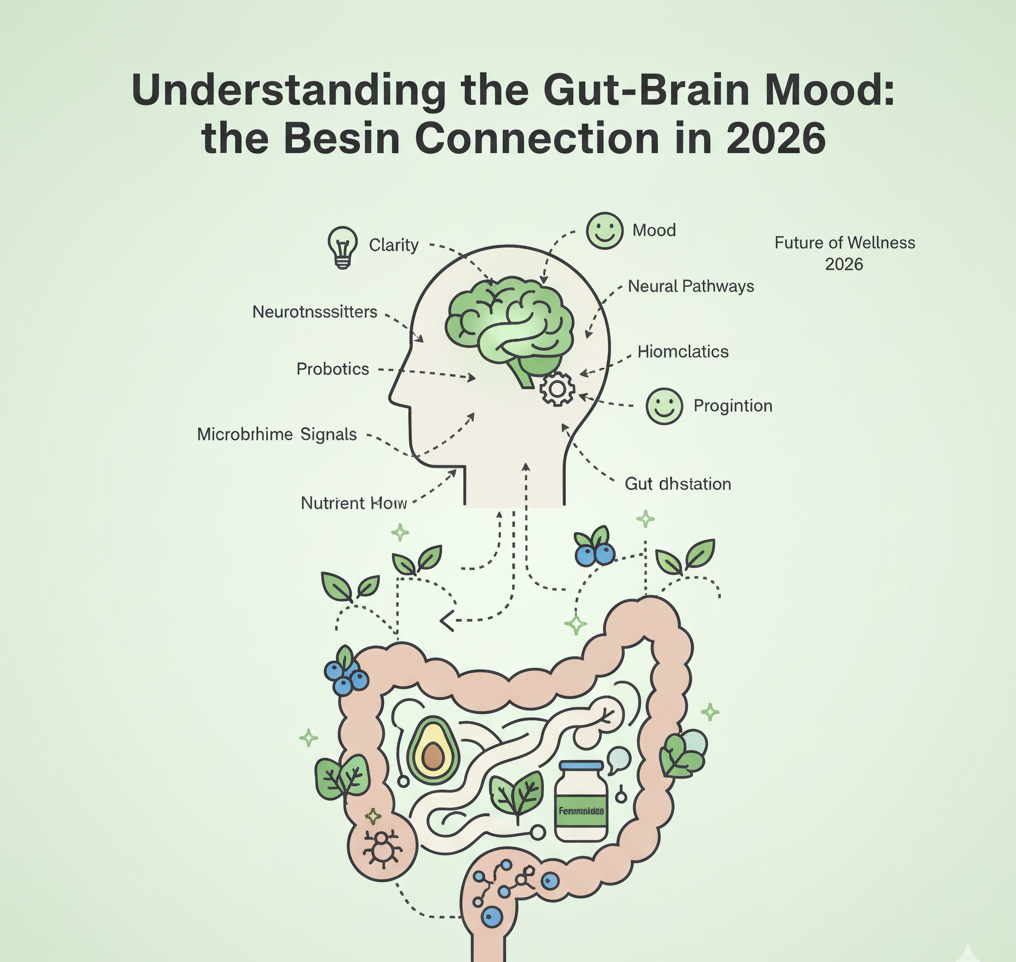
The idea that the gut and brain are connected is no longer new, but the depth of this relationship is only now being fully appreciated. The gut and brain communicate constantly through what scientists call the gut-brain axis. This communication happens through nerves, hormones, immune signals, and chemical messengers produced by gut bacteria.
In fact, the gut contains its own nervous system, often referred to as the second brain. It produces a large percentage of neurotransmitters that influence mood, including serotonin, dopamine, and GABA. When gut health is compromised, the production and regulation of these chemicals can be disrupted, leading to changes in mood, focus, and emotional stability.
In 2026, lifestyle trends have made this connection even more critical. Increased screen time, irregular eating patterns, ultra-processed foods, and chronic stress all directly affect gut health. These factors can damage the gut lining, reduce beneficial bacteria, and increase inflammation, which then sends distress signals to the brain.
This is why people experiencing anxiety, low motivation, mood swings, or brain fog often find relief not just through therapy or medication, but through dietary changes that support gut health. Gut Health and Mood are no longer separate topics. They are two sides of the same system.
How gut imbalance affects mood and mental clarity
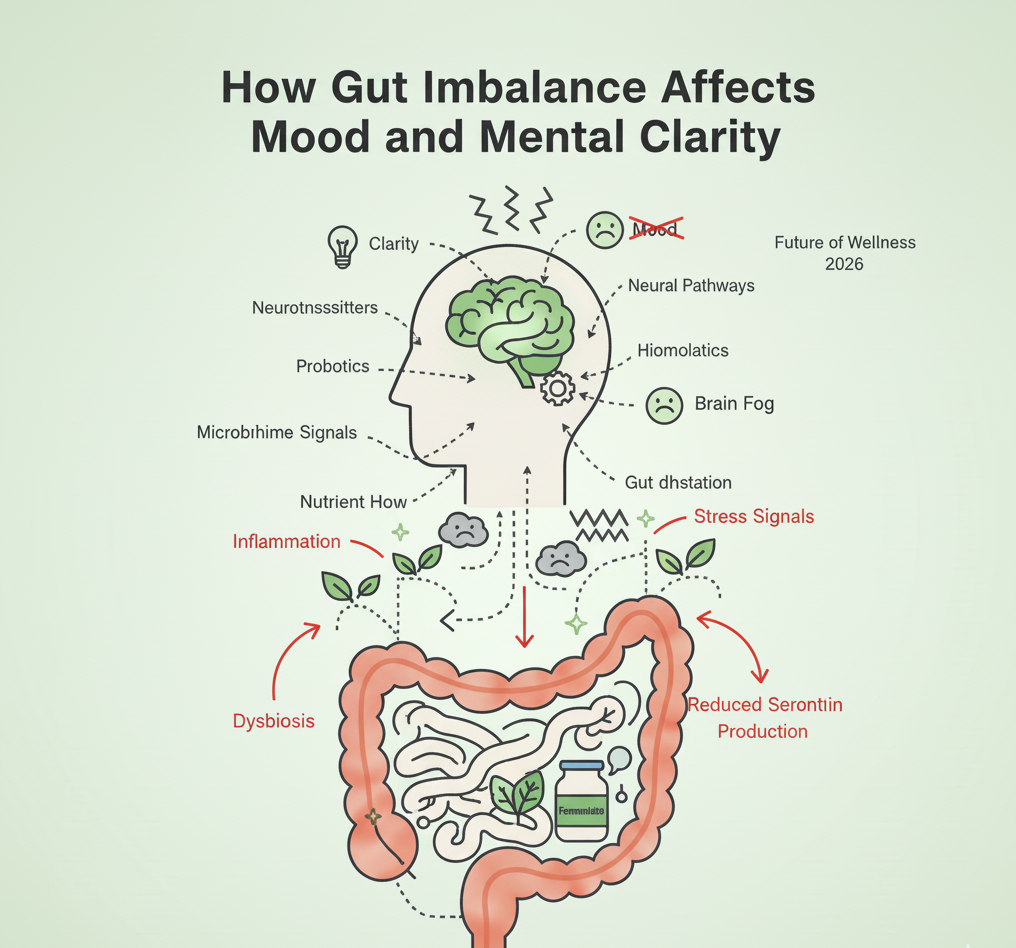
When the gut is out of balance, the effects are rarely limited to digestion alone. Many people think gut problems only show up as bloating, gas, or discomfort, but the earliest signs often appear mentally and emotionally.
An unhealthy gut can lead to increased inflammation throughout the body. Inflammation affects the brain by altering neurotransmitter function and increasing stress hormone activity. This can result in symptoms such as irritability, low mood, anxiety, poor concentration, and mental fatigue.
Another key issue is gut permeability, sometimes referred to as a leaky gut. When the gut lining becomes compromised, unwanted substances can enter the bloodstream, triggering immune responses that affect brain function. This immune activation has been linked to depressive symptoms and reduced cognitive clarity.
Gut bacteria also play a role in regulating stress responses. A diverse and healthy microbiome helps the body respond more calmly to stress. When beneficial bacteria are depleted, the nervous system becomes more reactive, making everyday stressors feel overwhelming.
In 2026, mental clarity is one of the most sought-after states, especially for professionals, creators, and entrepreneurs. Yet many are chasing focus through caffeine, nootropics, or stimulants while ignoring the root cause. Without addressing gut health, these solutions often provide temporary relief at best.
Understanding how gut imbalance affects mood shifts the focus from quick fixes to foundational health. Improving Gut Health and Mood starts with restoring balance in the digestive system.
Foods that support Gut health and mood
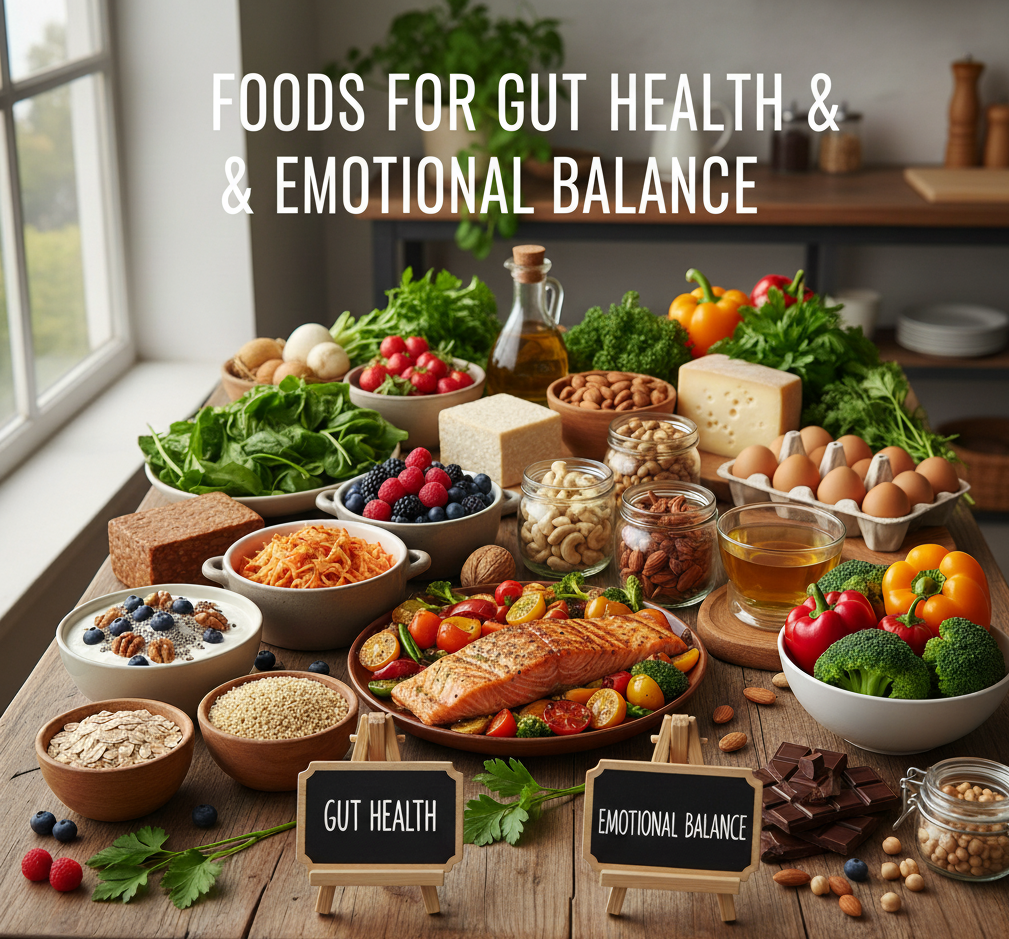
Food is one of the most powerful tools for influencing gut health and mood. Every meal either feeds beneficial bacteria or contributes to an imbalance. In 2026, the emphasis is not on extreme diets, but on sustainable eating patterns that support both physical and mental health.
Fiber-rich foods are essential for gut health. Fiber acts as fuel for beneficial gut bacteria, helping them produce short-chain fatty acids that reduce inflammation and support brain health. Vegetables, fruits, legumes, whole grains, nuts, and seeds all play a role in maintaining microbial diversity.
Fermented foods have gained renewed attention because of their direct impact on the microbiome. Foods such as yogurt, kefir, sauerkraut, kimchi, miso, and fermented vegetables introduce beneficial bacteria into the gut. Regular consumption of these foods has been associated with improved mood and reduced stress perception.
Healthy fats are another critical component. Omega-3 fatty acids, found in foods like fatty fish, flaxseeds, walnuts, and chia seeds, support brain function and reduce inflammation. These fats also help maintain the integrity of the gut lining, which is essential for preventing immune overactivation.
Protein sources matter as well. High-quality proteins provide amino acids that are used to create neurotransmitters. Foods such as eggs, fish, legumes, poultry, and fermented plant proteins support both gut repair and mental clarity.
Equally important is reducing foods that harm gut health. Ultra-processed foods, excessive sugar, artificial sweeteners, and refined carbohydrates can disrupt gut bacteria and promote inflammation. In 2026, awareness around these foods has increased, but their convenience still makes them a common part of daily diets.
Eating for Gut Health and Mood is not about perfection. It is about consistency. Small, repeated choices compound over time, leading to noticeable improvements in mental clarity and emotional stability.
How eating patterns influence Gut Health and Mood
What you eat matters, but how and when you eat also play a significant role in gut health and mood regulation. In 2026, research continues to highlight the importance of eating patterns alongside food quality.
Irregular eating schedules can disrupt the gut microbiome. Skipping meals, late-night eating, or constantly grazing without structure can confuse digestive rhythms. The gut thrives on predictability, and consistent meal timing supports better digestion and nutrient absorption.
Mindful eating is another important factor. Eating in a rushed or stressed state activates the body’s stress response, diverting resources away from digestion. This can lead to poor nutrient breakdown and reduced gut function. Slowing down, chewing thoroughly, and eating without distractions supports both digestion and emotional regulation.
Overeating, even healthy foods, can strain the digestive system. Portion awareness helps maintain gut balance and prevents blood sugar spikes that affect mood. Stable blood sugar levels are essential for mental clarity, focus, and emotional balance.
Intermittent fasting continues to be popular in 2026, but its impact on Gut Health and Mood varies from person to person. Some people experience improved clarity and digestion, while others find that extended fasting increases stress and gut irritation. Personalization is key.
Hydration also plays a role that is often underestimated. Adequate water intake supports digestion, nutrient transport, and waste elimination. Dehydration can contribute to fatigue, irritability, and reduced cognitive performance.
Eating patterns that support gut health are not rigid rules. They are flexible frameworks that prioritize consistency, awareness, and respect for the body’s signals. When eating habits align with gut needs, mood regulation becomes more effortless.
Practical ways to eat for mental clarity in 2026
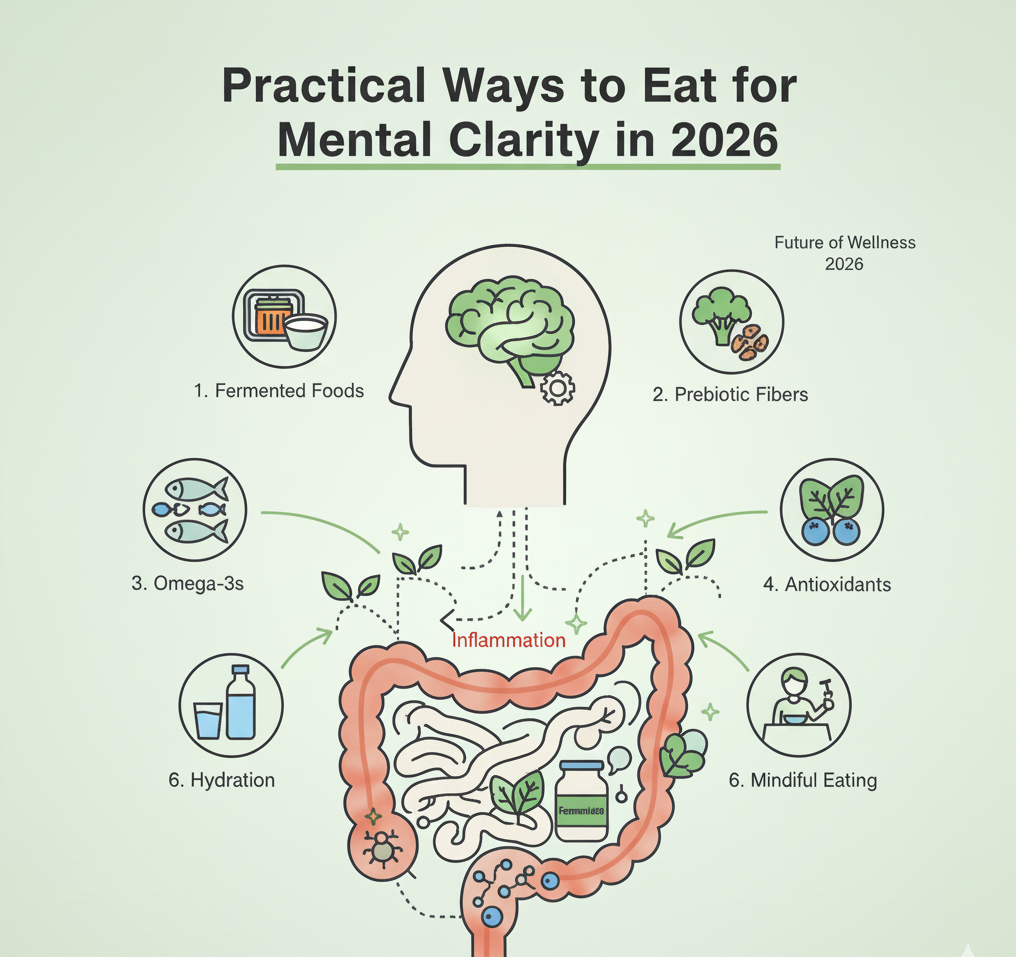
Turning knowledge into action is where real change happens. Improving Gut Health and Mood does not require a complete lifestyle overhaul. It requires intentional adjustments that fit modern life in 2026.
Start by building meals around whole foods rather than supplements. Supplements can support gut health, but they should not replace real food. A plate filled with vegetables, quality protein, healthy fats, and fiber-rich carbohydrates creates a foundation for both digestion and mental clarity.
Introduce fermented foods gradually. If your gut is not used to them, sudden large amounts can cause discomfort. Small daily servings allow beneficial bacteria to integrate smoothly.
Reduce reliance on stimulants for focus. Excessive caffeine can irritate the gut lining and increase anxiety. Replacing some caffeinated drinks with herbal teas or water can improve both gut comfort and mood stability.
Pay attention to how specific foods affect you. Food sensitivity awareness is more mainstream in 2026, and people are encouraged to observe patterns rather than follow generic rules. If certain foods consistently lead to bloating, fatigue, or mood dips, they may be disrupting your gut balance.
Prioritize stress management alongside diet. Chronic stress alters gut bacteria composition and weakens digestion. Breathing exercises, movement, sleep, and relaxation practices directly support gut health and mood regulation.
Sleep remains one of the most powerful yet overlooked factors. Poor sleep disrupts gut bacteria and increases cravings for processed foods, creating a cycle that affects mood. Supporting gut health makes it easier to sleep well, and sleeping well further improves gut balance.
Finally, think long term. Gut health does not change overnight. Neither does mood stability. The goal in 2026 is not instant optimization, but sustainable clarity. When eating habits consistently support the gut, mental clarity becomes a natural state rather than a struggle.
Conclusion: Gut Health and Mood
The conversation around Gut Health and Mood represents a shift in how mental well-being is understood. Instead of separating the mind from the body, 2026 emphasizes integration. Emotional balance, focus, and clarity are not just products of mindset or discipline. They are biological outcomes shaped by daily choices.
Here are some of our popular posts: Top 10 best website builders, Best super foods for a healthy lifestyle, the unlimited list of free productivity apps, Best freelance site to find remote jobs, top 10 productivity hacks for entrepreneurs , 10 best side hustles to make extra money online, best online courses for learning digital skills, top 10 best free coding website
Eating for mental clarity is not about chasing trends or following restrictive rules. It is about nourishing the gut ecosystem that quietly supports every thought, emotion, and decision you make.
As awareness grows, those who invest in gut health will continue to experience benefits that go far beyond digestion. Improved mood, sharper focus, emotional resilience, and sustained energy all begin in the gut.
In a world that demands clarity, adaptability, and mental strength, taking care of your gut may be one of the most strategic decisions you can make.
