



There was a time when NFTs were everywhere. Everyone was talking about them. Everyone was buying them. And everyone seemed to believe that digital collectibles would change the world forever. But then the hype slowed down, the market corrected itself, and people began to ask one big question. Were NFTs just a trend, or were they the beginning of something much bigger?
Here are some of our popular posts: Top 10 best website builders, Best super foods for a healthy lifestyle, the unlimited list of free productivity apps, Best freelance site to find remote jobs, top 10 productivity hacks for entrepreneurs , 10 best side hustles to make extra money online, best online courses for learning digital skills, top 10 best free coding website
Now we are in 2026, and the conversation has completely changed. NFTs are no longer just about cartoon profile pictures or random digital art collections. The market has matured, the technology has evolved, and the real opportunities are becoming clearer than ever. But there is still confusion, mixed opinions, and a lot of uncertainty.
This honest guide will help you understand the real NFT trends in 2026, and whether they are hype or genuine opportunities you should pay attention to. If you want to stay ahead of the curve, make smarter decisions, or simply understand where the NFT world is headed next, this breakdown is exactly what you need.
Let’s explore the modern NFT landscape from a simple, practical point of view.
What Are NFTs (A Simple Breakdown)
NFTs, also known as non-fungible tokens, are digital items that are unique. The easiest way to understand them is to compare them with everyday objects. A one-thousand-naira note is fungible because you can swap it with another one and nothing changes. But a signed jersey or a special painting is non-fungible because it has its own identity and cannot be replaced. NFTs work exactly like that, but in digital form. They come with a digital certificate saved on the blockchain, which proves who owns the original version of that item.
#1. How NFTs Became Popular: The Problem They Solved: Before NFTs, digital files had a big problem. Anyone could copy them. A drawing, a video, a song, or a picture online could be downloaded by millions of people. NFTs solved this by giving someone an official ownership record. Even if the digital file is copied, only one ownership certificate is recognized. This made digital art, collectibles, gaming items, and even music valuable in a new way.
#2. A Simple History of NFTs: How It All Started: NFTs did not start in 2021. They began quietly in 2012 with experiments like Colored Coins on Bitcoin. In 2014, a digital artwork called Quantum became the first true NFT. The real momentum came in 2017 when two projects changed everything. CryptoPunks introduced unique pixel characters, and CryptoKitties allowed people to buy and breed digital cats. CryptoKitties became so popular that it almost crashed the Ethereum network. This was the first real sign that NFTs were here to stay.
#3. The NFT Boom and Cooling Phase: From Hype to Reality: Between 2020 and 2021, NFTs exploded into mainstream culture. Artists sold digital art for millions, Bored Ape Yacht Club became a global sensation, and big brands joined the movement. Then, from 2022 onward, the market cooled down, and prices dropped. But something important happened. The hype turned into real use cases like digital tickets, membership passes, certificates, loyalty cards, and gaming assets. NFTs started becoming tools, not just trends.
#4. Major Milestones That Shaped NFTs Over the Years: Some easy milestones to remember include the first NFT concepts in 2012, the first real NFT in 2014, the rise of CryptoPunks and CryptoKitties in 2017, the global boom in 2021, and the utility era from 2023 onward, where NFTs became practical. Recent years have also introduced AI-powered NFT creation, making it much easier for everyday people to create or customize digital assets.
#5. Why NFTs Still Matter Today Beyond the Hype: Even though the noise has reduced, the importance of NFTs remains strong because they solve one major problem. They prove digital ownership. That simple idea is changing how people own art, certificates, music, tickets, game items, and even virtual fashion. The future is not about hype, but about the everyday usefulness of owning verified digital items.
Why NFTs Look Different in 2026 Compared to the Hype Wave
If you followed NFTs between 2021 and 2023, you probably remember the wild days of million-dollar sales, celebrity endorsements, rug pulls, and endless hype. People were buying NFTs without understanding what they were. Investors were treating them like quick lottery tickets, and many creators were launching projects without long-term plans. It felt like a digital gold rush.
But by 2024 and 2025, the dust started settling. The excitement slowed, the market cooled down, and thousands of low-quality projects completely disappeared. Only a few strong communities and projects survived because they were built on real utility, not hype.
This reset actually became the best thing that could happen to the NFT world. Once all the noise died down, developers, brands, and creators began focusing on real value. Governments stepped in with regulations. New technologies have improved blockchain networks. And businesses started using NFTs in meaningful ways rather than just as digital collectibles.
This brings us to the biggest shift in 2026. NFTs are evolving from speculative assets into practical digital tools. Instead of being defined by hype, they are now defined by how useful they are.
To understand NFT trends in 2026, you have to forget the old idea of NFTs as overpriced JPGs and start thinking of them as digital ownership certificates that can unlock real experiences, benefits, and access. That is where the real future lies.
The Biggest NFT Trends in 2026 You Should Pay Attention To
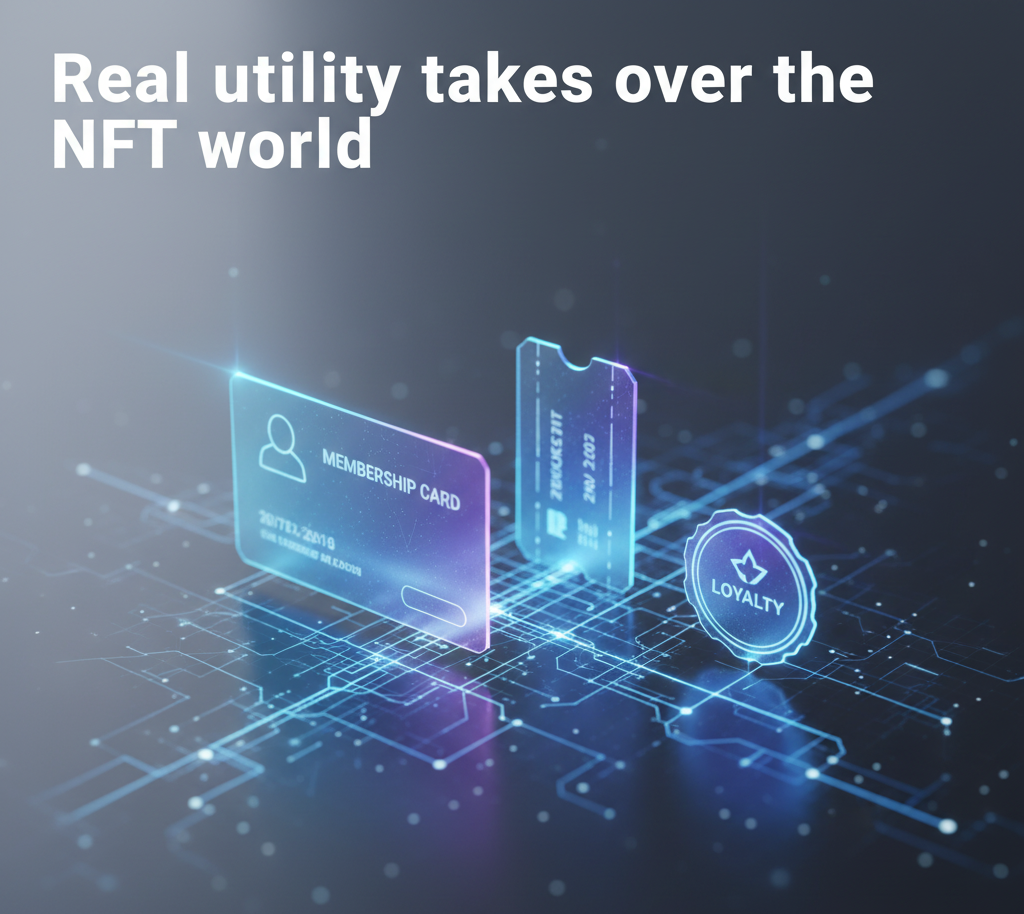
The NFT landscape in 2026 is no longer driven by speculation; it is driven by innovation. Here are the major NFT trends in 2026 shaping the future.
#1. NFTs as digital identity and authentication: This is one of the most powerful trends. NFTs are now being used to verify who you are across apps, gaming platforms, metaverses, and even financial services. Instead of passwords, people can use blockchain-based identity tokens. These cannot be faked, lost, or duplicated.
This trend is huge because digital security has become a global priority in 2026. With rising cyber threats, NFTs offer a safer, more transparent identity system.
#2. NFTs powering loyalty programs: Brands now use NFTs instead of traditional loyalty cards. These NFTs give customers rewards, early access, exclusive products, and community membership. Starbucks, Nike, and even global airlines have all shifted to blockchain-powered loyalty programs.
NFT-based loyalty is becoming a major selling point because customers now want personalized, premium experiences, not generic points.
#3. NFTs as tickets and access passes: Event planners, concert organizers, and sports teams use NFTs for tickets because they reduce fraud and allow fans to unlock digital collectibles or backstage access. These tickets also serve as long-term digital memories for fans.
#4. NFTs in gaming economies: Gaming is still the biggest driver of NFT adoption. Players want to truly own their digital items, skins, weapons, and characters. The huge shift is that major gaming studios now build blockchain-enabled games without advertising them as NFT projects. They focus on better user experiences instead of crypto jargon.
#5. NFTs for education and certification: Online courses, universities, and training platforms now issue blockchain-based certificates to prevent forgery. These certificates are easily verifiable and last forever.
#6. NFTs for real estate: Tokenized property ownership is one of the fastest-growing sectors. People can buy fractions of real estate, track ownership history, and transfer assets instantly without heavy paperwork. This is a massive opportunity for global investors.
#7. AI-generated NFTs: Thanks to improved AI models, creators now generate dynamic, evolving NFTs. These NFTs can change appearance, adapt to real-world events, and even grow based on user engagement.
These trends reveal that NFTs in 2026 have moved far beyond hype. They are now tools for utility, security, and real digital value.
How Businesses Are Profiting From NFT Trends in 2026
If you are wondering whether NFTs still offer opportunities in 2026, the answer is yes. But the opportunities are not where they used to be. You cannot expect to flip random NFTs and become rich overnight. That era is gone.
Instead, the biggest profits now come from offering real solutions, real utility, and real value. Here are the major ways businesses are earning from NFT trends in 2026.
#1. Selling NFT memberships: Membership NFTs give buyers access to exclusive groups, premium content, or private communities. Creators and entrepreneurs sell them to build strong tribes and recurring income.
#2. Launching NFT-powered subscription services: Some businesses now use NFTs as subscription cards. As long as you hold the NFT, you get access. If you sell it, the benefits transfer to someone else. This creates a new income model that is more flexible and customer-friendly.
#3. Offering NFT-based learning certificates: Education platforms are monetizing blockchain verification. Students want certification that is recognized, secure, and impossible to forge.
#4. Building digital collectibles around brands: Brands now create limited-edition digital collectibles for superfans. These collectibles unlock special rewards or early access, creating brand loyalty.
#5. Selling tokenized real estate shares: Real estate NFT platforms are making property easier to invest in, even for beginners. Investors do not need millions to get started; they can buy fractions of buildings or land.
#6. Creating gaming assets: Game developers are making huge money selling in-game NFTs that players actually want and use. These NFTs drive recurring revenue for gaming companies.
#7. Helping businesses integrate NFTs: If you understand the technology, you can offer consulting, strategy development, or NFT management services. Businesses need experts who can help them adopt NFTs correctly.
#8. Running NFT marketplaces: Marketplaces that cater to specific niches, such as art, education, gaming, or real estate, are thriving. The key is specialization, not trying to compete with giant platforms.
NFT trends in 2026 show that money comes from utility, not speculation. That is the biggest difference.
The Risks, Red Flags, and Realities No One Likes to Talk About
While NFTs offer a lot of opportunities, we also need to talk honestly about the risks. Most of the problems from the hype era are still present today, just in a different form. This is where many people make mistakes.
#1. Scams still exist: There are fake projects, fake NFTs, fake influencers, and fake promises. Scammers know how to make something look professional even when it has no real value. Always research before investing.
#2. Not every NFT has long-term value: Some NFTs are useful today but may not be relevant tomorrow. The technology is evolving fast. You should never invest blindly.
#3. Regulations vary by country: Some governments support NFTs, while others impose strict rules. Always understand local laws before launching NFT-based businesses.
#4. Technology changes quickly: Blockchain evolves fast. A platform you use today might lose relevance soon. Keep learning and stay updated.
#5. Gas fees and transaction costs: Some blockchains are still expensive to use during peak hours. Choose the right network before you start.
#6. Community is everything: An NFT with no community behind it has no real future. Projects without engagement usually die quickly.
#7. Cybersecurity risks: Even though NFTs improve security, hackers continue to target wallets and marketplaces. You must learn safe storage practices.
If you want to benefit from NFT trends in 2026, you must be aware of these risks. Being informed helps you make smart, profitable decisions.
Are NFT Trends in 2026 Hype or Real Opportunity? The Honest Answer
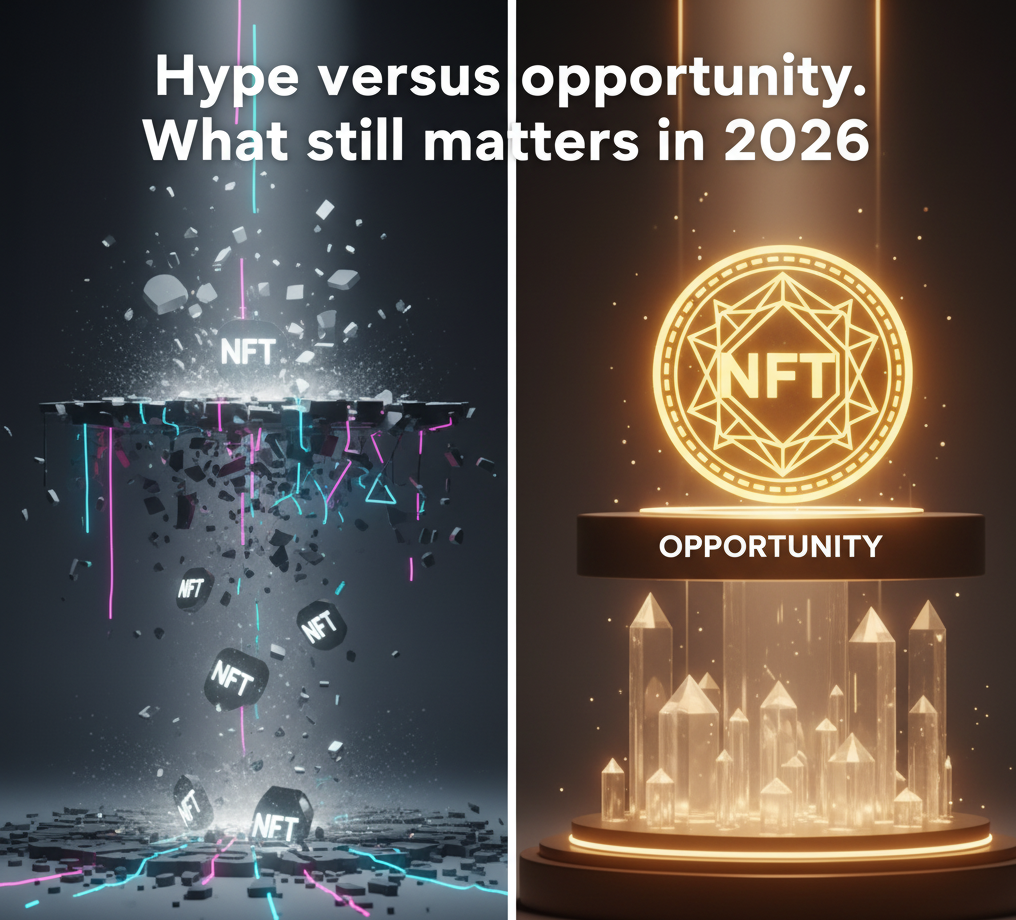
So after breaking everything down, here is the truth. NFTs in 2026 are both hype and opportunity. The hype is still there in certain areas, especially when people chase unrealistic profits or fall for marketing gimmicks. But the real opportunity is in the evolution happening behind the scenes.
NFTs are becoming the foundation of digital ownership. They are becoming digital passports, digital memberships, digital identities, digital property titles, and digital proof of everything. This is why governments, big brands, tech companies, and banks are investing heavily in NFT infrastructure.
The people who will benefit the most are not speculators. They are creators, business owners, developers, educators, and problem solvers. If you understand the real utility behind NFTs, you can build incredible opportunities in 2026 and beyond.
The future of NFTs is not about hype. It is about who controls digital ownership. And that is a powerful shift.
Conclusion: NFT trends in 2026
The NFT space has matured, evolved, and corrected itself. The crazy hype is gone, but the innovation is stronger than ever. If you approach NFTs with the mindset of long-term value, real utility, and solving real problems, you will find massive opportunities in 2026.
Here are some of our popular posts: Top 10 best website builders, Best super foods for a healthy lifestyle, the unlimited list of free productivity apps, Best freelance site to find remote jobs, top 10 productivity hacks for entrepreneurs , 10 best side hustles to make extra money online, best online courses for learning digital skills, top 10 best free coding website
NFT trends in 2026 show us one thing clearly. The future belongs to those who understand how digital ownership fits into our everyday lives. And if you position yourself early, you can be one of the people who profit from this new digital world.
