



Anxiety has become one of the most common health challenges of the modern world. In 2026, people are more connected than ever, yet many feel mentally overwhelmed, emotionally drained, and constantly on edge. Notifications never stop, workloads are heavier, and the pressure to keep up can feel relentless. As a result, more people are actively searching for practical, non-invasive, and affordable ways to calm their nervous systems.
Here are some of our popular posts: Top 10 best website builders, Best super foods for a healthy lifestyle, the unlimited list of free productivity apps, Best freelance site to find remote jobs, top 10 productivity hacks for entrepreneurs , 10 best side hustles to make extra money online, best online courses for learning digital skills, top 10 best free coding website
One solution that continues to grow in popularity is breathwork, particularly through mobile applications. Breathwork apps have evolved far beyond simple breathing timers. They now combine neuroscience, psychology, biofeedback, artificial intelligence, and guided coaching into tools that fit in your pocket.
This guide explores how to best use Breathwork Apps for Anxiety Relief in 2026. It is written to be practical, conversational, and grounded in real-life use, whether you are new to breathwork or already experimenting with mental wellness tools.
Understanding What Breathwork Is
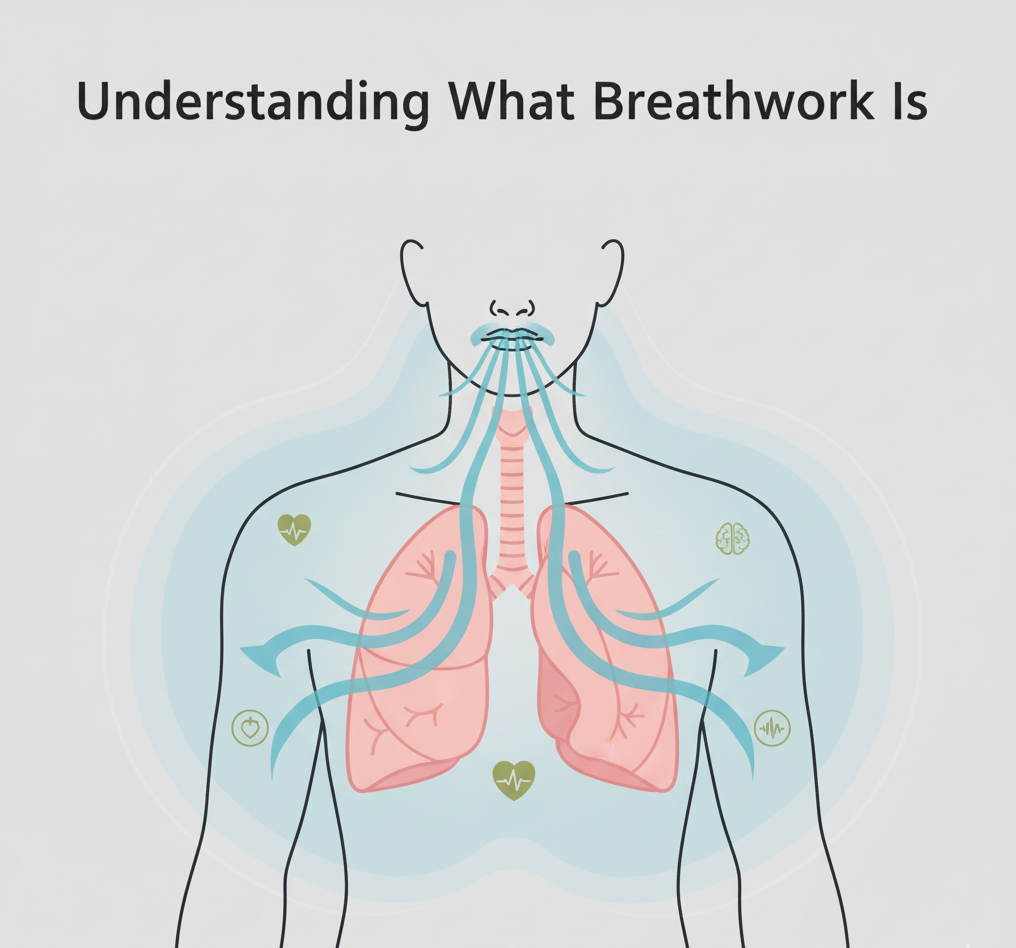
Breathwork is the intentional practice of controlling your breathing to influence your physical, mental, and emotional state. While breathing happens automatically, the way you breathe has a direct impact on your nervous system, heart rate, hormone balance, and stress response.
When anxiety strikes, breathing often becomes shallow, fast, and irregular. This type of breathing sends a signal to the brain that you are in danger, activating the fight-or-flight response. Breathwork reverses this process. Slow, deep, and rhythmic breathing sends safety signals to the brain, activating the parasympathetic nervous system, also known as the rest-and-digest state.
Breathwork has roots in ancient practices such as yoga, meditation, and martial arts, but modern science has confirmed its effectiveness. Controlled breathing can lower cortisol levels, reduce heart rate, improve oxygen efficiency, and calm racing thoughts. In simple terms, breathwork helps you regain control when anxiety feels overwhelming.
In 2026, breathwork is no longer viewed as alternative or fringe. It is now integrated into therapy, corporate wellness programs, athletic training, and digital mental health platforms. Breathwork apps make these techniques accessible to anyone, anytime, without the need for in-person sessions.
What Are Breathwork Apps and How They Work
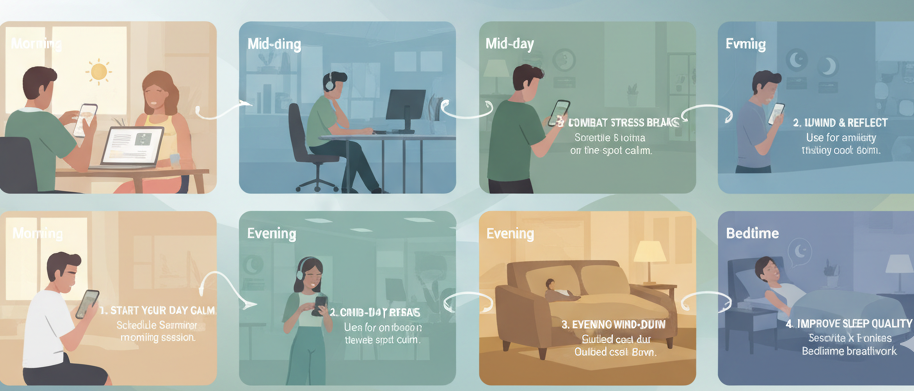
Breathwork apps are mobile or web-based applications designed to guide users through breathing exercises aimed at achieving specific outcomes, such as reducing anxiety, alleviating stress, improving sleep, enhancing emotional regulation, or increasing focus.
At their core, these apps guide you on when to inhale, exhale, and sometimes hold your breath. However, modern breathwork apps in 2026 are far more sophisticated.
Most apps use a combination of guided audio, visual cues, timers, and adaptive programs. Some include calming voices that guide your breathing, while others rely on animations that expand and contract to match inhale and exhale rhythms.
Advanced breathwork apps now integrate biometric data. If connected to a smartwatch or wearable, they can adjust breathing sessions based on your heart rate, stress levels, or sleep patterns. Artificial intelligence helps personalize routines by learning what works best for your body and emotional state over time.
For anxiety relief, breathwork apps typically focus on techniques such as slow nasal breathing, extended exhalation, box breathing, and coherence breathing. These methods have been proven to reduce nervous system arousal and help users feel more grounded.
The biggest advantage of breathwork apps is accessibility. You do not need special equipment, prior experience, or long-term commitments. You can practice for two minutes during a panic spike or twenty minutes as part of a daily mental health routine.
ALSO READ: Gut Health and Mood: How to Eat for the Best Mental Clarity in 2026
Top 10 Things to Consider When Choosing a Breathwork App to Use in 2026
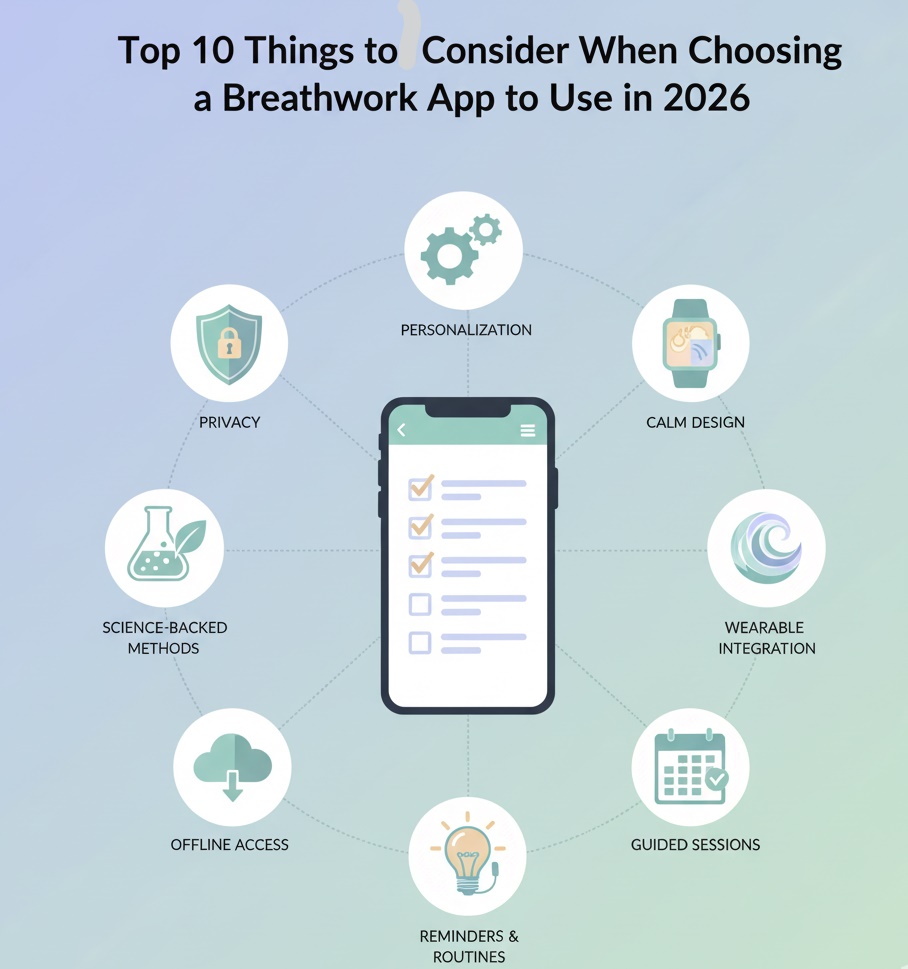
Not all breathwork apps are created equal. With so many options available in 2026, choosing the right one can feel overwhelming. Here are ten critical factors to consider before committing to an app.
#1. Anxiety-specific programs matter. Some apps focus broadly on wellness, while others are designed specifically for anxiety, panic attacks, and emotional regulation. Look for apps that clearly address anxiety and nervous system calming.
#2. Guidance style is important. Some people prefer voice-guided sessions, while others find visuals less distracting. The best app is one that matches how you personally relax.
#3. Personalization capabilities make a difference. Apps that adapt to your stress patterns, time availability, and experience level tend to be more effective long-term.
#4. Session length flexibility is crucial. Anxiety does not always wait for a scheduled session. Choose apps that offer both quick relief sessions and longer guided practices.
#5. Scientific backing builds trust. Apps developed with input from psychologists, breathwork coaches, or medical professionals often offer safer and more effective techniques.
#6. Offline access is useful. Anxiety can arise anywhere. Apps that allow downloads ensure you are not dependent on internet access.
#7. Integration with wearables can enhance results. If you use a smartwatch, apps that sync with heart rate or stress tracking provide deeper insights.
#8. Simplicity of design matters. Overly complex interfaces can increase anxiety rather than reduce it. Clean, intuitive design helps you relax faster.
#9. Progress tracking keeps you motivated. Seeing improvements in consistency, calmness, or reduced anxiety episodes reinforces the habit.
#10. Ethical data handling and privacy are essential. Mental health data is sensitive. Choose apps with transparent privacy policies and strong data protection.
Top 10 Breathwork Apps and What Makes Them Great
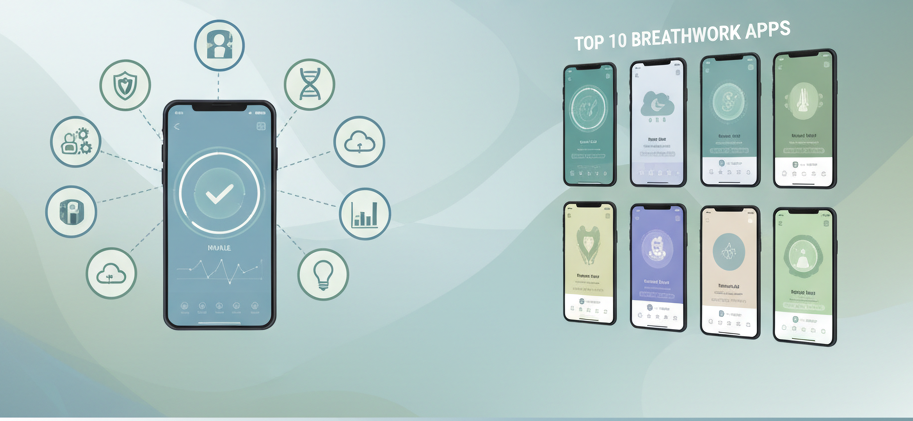
Below are ten breathwork apps that stand out in 2026 for anxiety relief, along with what makes each unique.
#1. Calm: Calm remains one of the most widely used wellness apps globally. While known for meditation and sleep content, its breathwork section is robust. Calm offers anxiety-focused breathing sessions guided by soothing voices and backed by research. Its strength lies in simplicity and consistency, making it ideal for beginners.
#2. Headspace: Headspace integrates breathwork into its structured mental health programs. The app explains the science behind breathing in a friendly way and includes short exercises designed for moments of acute anxiety. Its special function is its educational approach, which helps users understand why the techniques work.
#3. Breathwork: Breathwork is entirely focused on breathwork. It offers a wide range of breathing techniques tailored to anxiety, energy, focus, and sleep. Users can select goals and receive customized breathing sessions. Its standout feature is the variety and depth of breathing styles available.
#4. Othership: Othership combines breathwork with emotional and motivational guidance. It is especially effective for people who want a more immersive experience. Its sessions often include music, emotional cues, and storytelling, which help release stored tension and anxiety.
#5. Prana Breath: Prana Breath focuses on structured breathing exercises with customizable ratios. It is ideal for users who want more control over inhale and exhale timing. The app is lightweight, works offline, and is popular among users who prefer minimal distractions.
#6. Breathe+: Breathe+ is simple, elegant, and highly customizable. It uses visual breathing guides rather than voice, making it ideal for use in public or quiet settings. Its strength is flexibility and ease of use.
#7. Waking Up: While primarily a mindfulness app, Waking Up includes breathwork sessions rooted in neuroscience and philosophy. Its approach appeals to users who want a deeper understanding of consciousness alongside anxiety relief.
#8. The Breathing App: Created with simplicity in mind, this app focuses on slow, calming breathing rhythms. It is excellent for people who want no-frills anxiety relief without subscriptions or complex features.
#9. Oak: Oak combines breathwork, meditation, and mindfulness in a clean interface. Its guided breathing sessions are designed for stress and anxiety, and it is popular for its offline access and minimalistic design.
#10. iBreathe: iBreathe is highly customizable and designed for stress management. Users can set reminders, customize breathing patterns, and use it discreetly throughout the day. Its special function is its adaptability for both beginners and experienced breathwork practitioners.
How to Best Use Breathwork Apps for Anxiety Relief in 2026
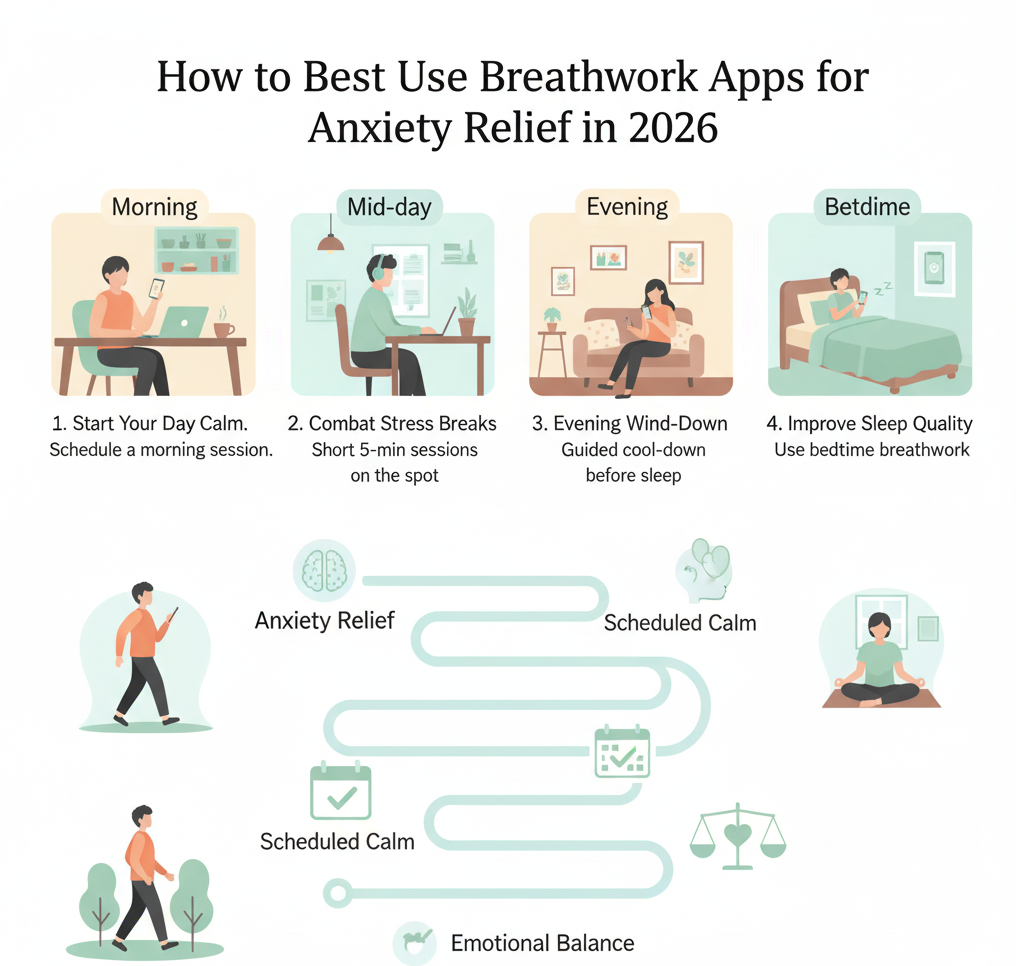
Understanding the apps is only part of the equation. The real value comes from how you use them in daily life. Below is a detailed, practical guide on how to best use Breathwork Apps for Anxiety Relief in 2026.
Start by reframing breathwork as a skill, not a quick fix. Breathwork works best when practiced consistently. While it can calm anxiety in the moment, its long-term power lies in training your nervous system to recover faster from stress.
Create a daily baseline practice. Even five minutes in the morning or evening can make a significant difference. Use this time to practice slow, controlled breathing when you are already calm. This builds resilience so that the techniques work better during anxiety spikes.
Use breathwork apps reactively and proactively. Proactively, use them as part of your routine. Reactively, use short sessions during moments of anxiety, panic, or overwhelm. Many apps offer emergency or quick relief sessions designed specifically for this purpose.
Pair breathwork with context awareness. Pay attention to when your anxiety tends to appear. Is it during work meetings, social situations, bedtime, or commuting? Use app reminders or scheduled sessions to address these moments proactively.
Focus on extended exhalation techniques. For anxiety relief, breathing techniques that emphasize longer exhales are especially effective. They activate the vagus nerve and calm the stress response. Many apps allow you to choose or customize these patterns.
Use headphones when possible. Sound quality and immersion matter. A calm voice or rhythmic sound can significantly enhance relaxation, especially during high-anxiety moments.
Avoid multitasking during breathwork. In 2026, distraction is constant. When using breathwork apps, give the session your full attention. Even short, focused sessions are more effective than longer, distracted ones.
Track your progress without obsession. Use app insights to notice trends, not to judge yourself. Improvement may show up as quicker recovery from anxiety rather than complete elimination of stress.
Combine breathwork with lifestyle habits. Breathwork apps work best alongside adequate sleep, hydration, reduced caffeine, and healthy boundaries with technology. Think of breathwork as part of a larger nervous system care strategy.
ALSO READ: The Best Anti-Inflammatory Supplements You Should Try in 2026
Know when to seek additional support. Breathwork apps are powerful tools, but they are not replacements for professional care in severe cases. If anxiety feels unmanageable, use breathwork as a support tool alongside therapy or medical guidance.
Conclusion: Use Breathwork Apps for Anxiety Relief
The world in 2026 is fast, uncertain, and digitally intense. Breathwork apps offer something rare: a direct way to regulate your internal state regardless of external circumstances.
They empower individuals to take an active role in mental health without stigma, medication, or complex routines. As technology continues to evolve, breathwork apps are becoming more personalized, more evidence-based, and more accessible.
Here are some of our popular posts: Top 10 best website builders, Best super foods for a healthy lifestyle, the unlimited list of free productivity apps, Best freelance site to find remote jobs, top 10 productivity hacks for entrepreneurs , 10 best side hustles to make extra money online, best online courses for learning digital skills, top 10 best free coding website
Learning how to Use Breathwork Apps for Anxiety Relief is no longer just a wellness trend. It is a practical life skill for navigating modern stress.
Anxiety may be a part of modern life, but suffering does not have to be. Breathwork apps provide a bridge between ancient wisdom and modern technology, offering tools that fit seamlessly into daily life.
By understanding breathwork, choosing the right app, and using it intentionally, you can significantly reduce anxiety and regain a sense of calm and control. Those who learn to breathe well are not just managing anxiety. They are building resilience for whatever comes next. If you found this post helpful, consider visiting our blog regularly for more daily articles like this.
